
The Role of Overhead Bridge Cranes in Strengthening the Logistics Sector
The modern logistics sector and global supply chains run on an extremely complex timing equation that allows no delays or pile-ups of goods. The accelerating pace of trade imposes a massive flow of shipments and heavy raw materials on central warehouses and dry ports, which cannot be handled flexibly and quickly with limited floor-based solutions that need wide travel aisles and use up valuable storage space. Under this constant operating pressure, bridge cranes in their various engineering forms stand out as a pivotal link in the handling infrastructure. They turn unused overhead and vertical space into active transport paths that keep goods flowing between loading and storage platforms and let transport trailers be unloaded in a matter of minutes.
What Is the Role of Bridge Cranes in the Logistics Sector?
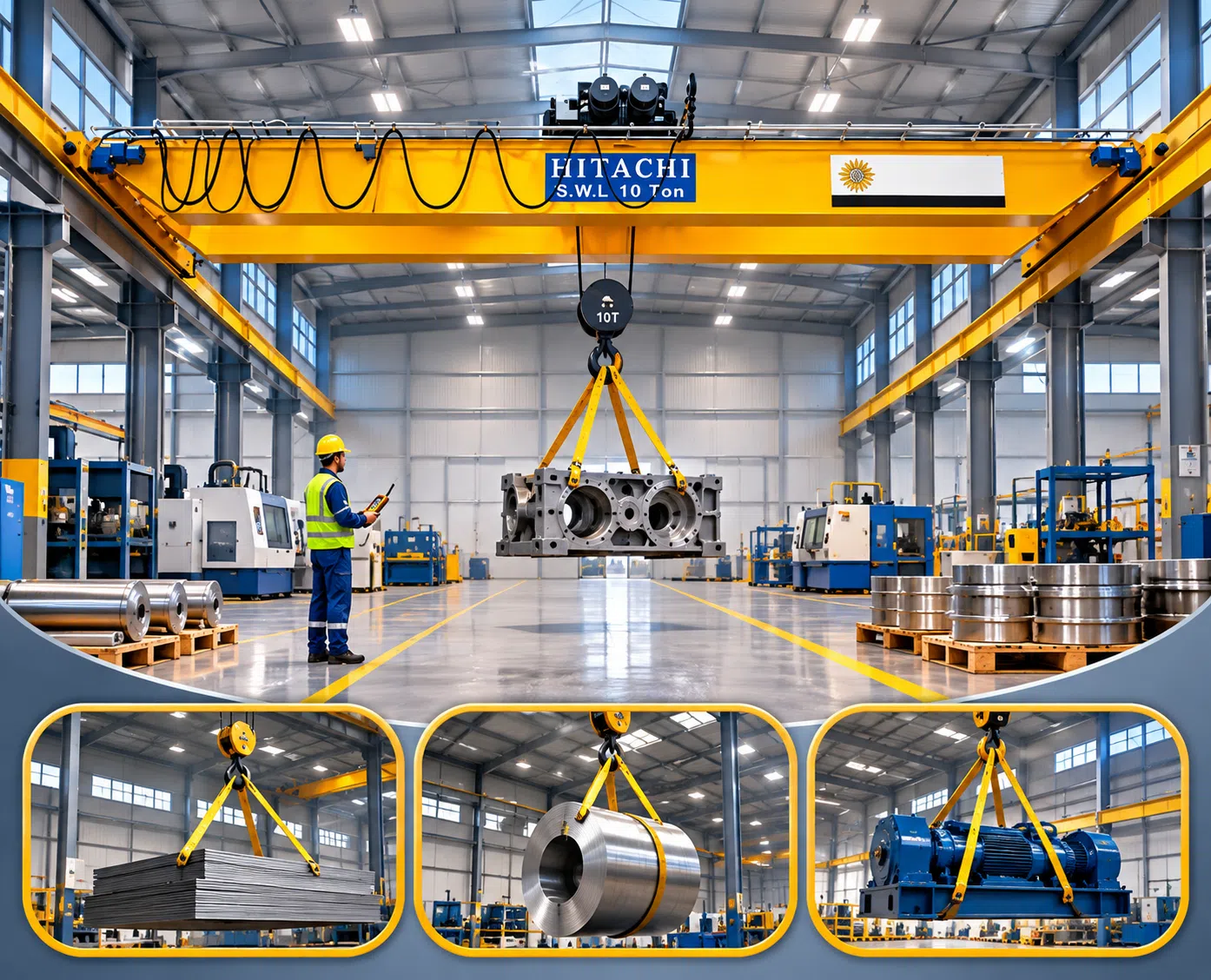
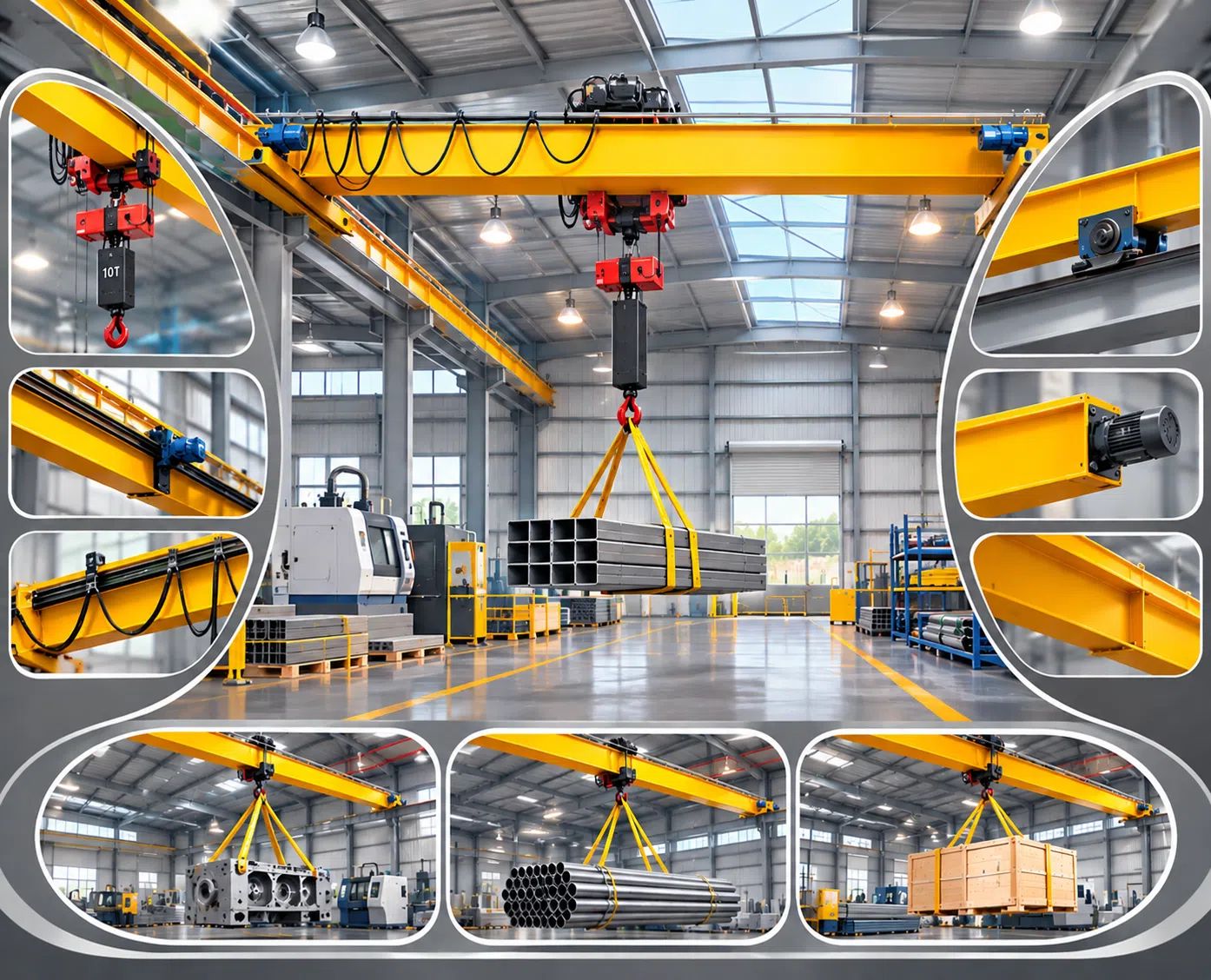
Bridge and overhead cranes are integrated lifting systems based on steel girders that travel lengthwise and crosswise over defined runways to provide three-dimensional load handling. In logistics supply chains they perform ultra-fast unloading and loading, multiply the storage capacity of warehouses by using the building's full clear height, fully eliminate ground traffic bottlenecks and raise occupational safety levels.
These mechanical systems deliver immediate gains to companies and logistics centers:
- Cutting truck unloading time and the preparation of large shipping orders by more than 40%.
- Using 100% of the warehouse floor for storage and stacking packages, without the need for wide turning aisles.
- Reducing cargo damage and vehicle collisions thanks to organized overhead transport controlled by advanced safety systems.
How Do Bridge Cranes Improve the Efficiency of Logistics Facilities?
The impact of this equipment goes beyond simply lifting weights; integrating it into warehouses brings a radical change in logistics performance indicators through integrated operating paths:
1. Using Vertical Space and Multiplying Capacity (Volumetric Efficiency)
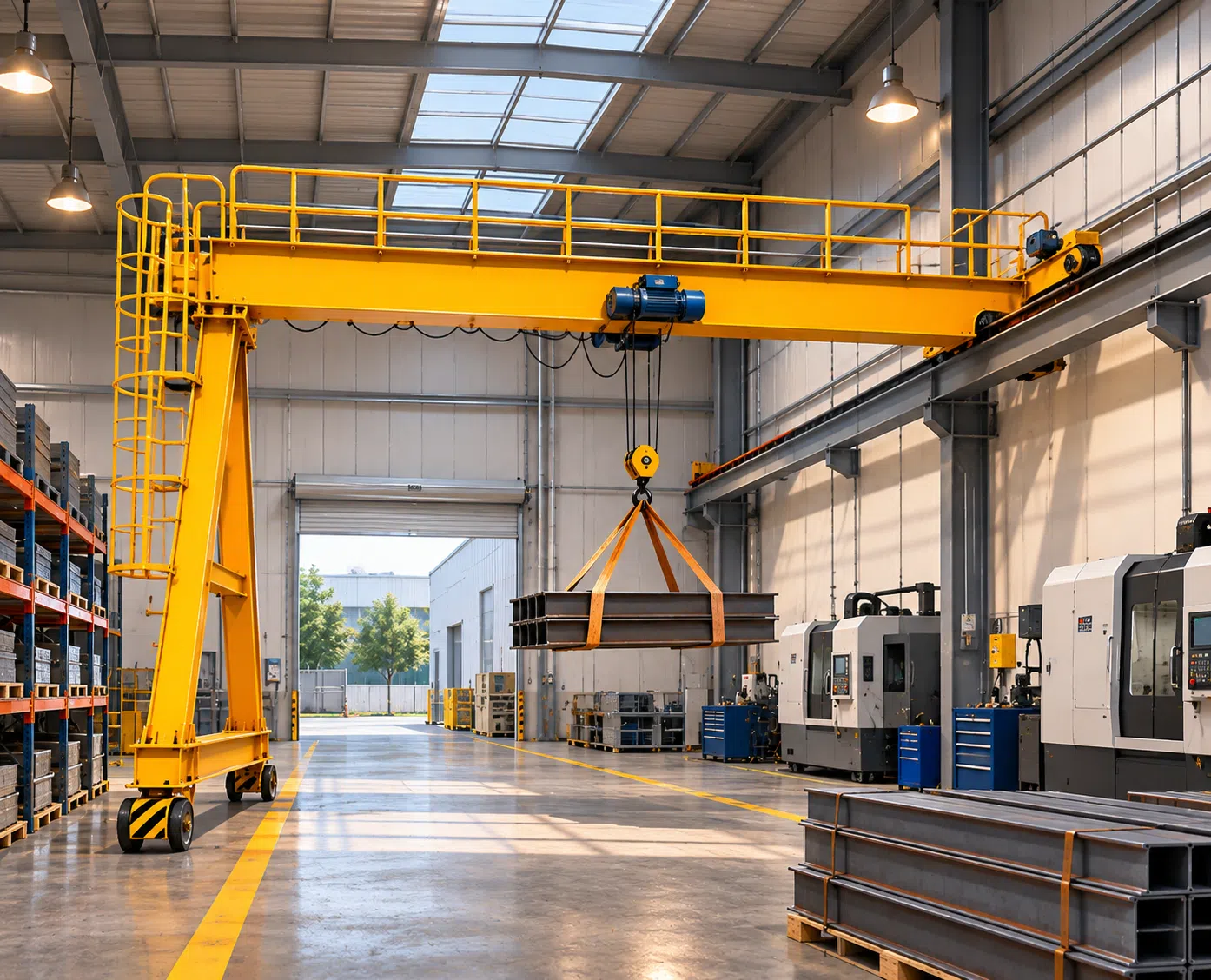
The cost of land and the rent for huge warehouses put heavy financial pressure on logistics operators. Here, suspended bridge cranes remove the need for wide ground travel aisles that eat up more than a third of the hall's area for forklifts. The system lets heavy materials and goods such as metal plates, infrastructure equipment and cable reels be stacked to the maximum height available under the facility roof, which doubles storage capacity without expanding the building or renting extra halls.
2. Speeding Up Loading and Unloading and Eliminating Waiting Times
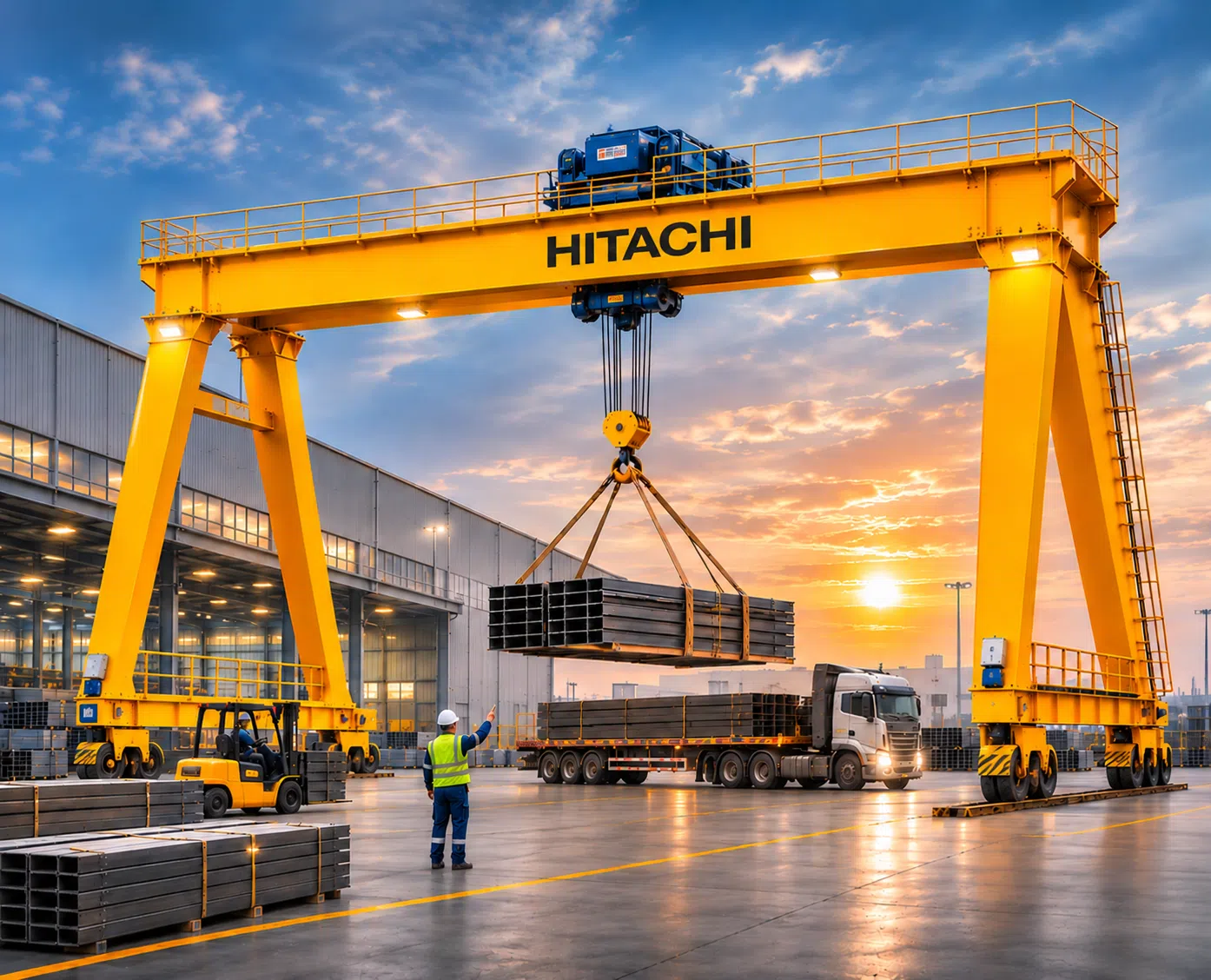
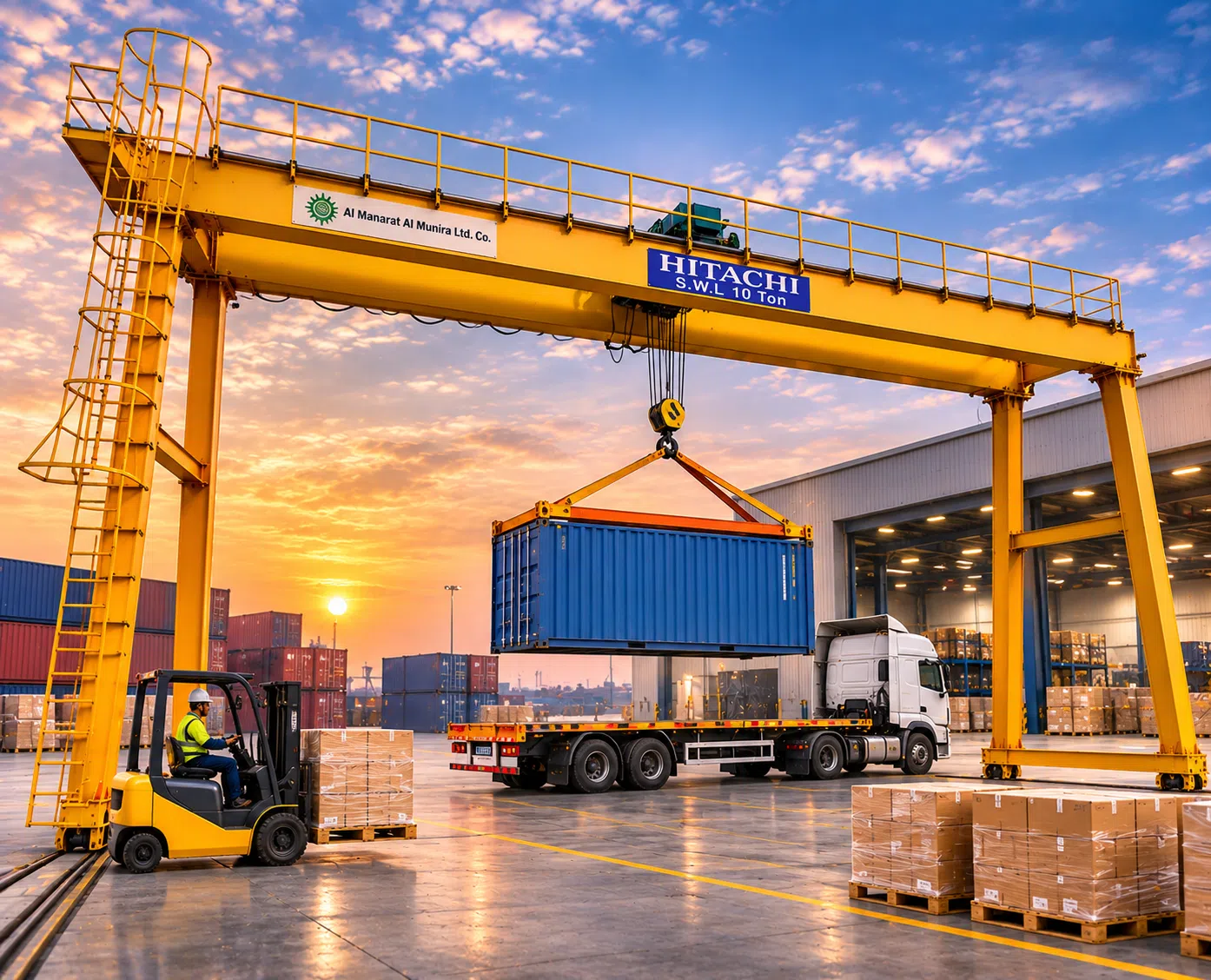
Penalties pile up and distribution schedules are disrupted when freight trailers stand for long in loading areas. A bridge crane can pick up bundles of heavy materials weighing tons and move them straight from the truck bed to the staging areas, or the reverse, in a smooth, straight movement without stopping, which raises the turnaround rate of the transport fleet inside logistics centers.
3. Preserving the Safety of Sensitive and Costly Goods
Products with long dimensions or unbalanced loads are liable to deformation or falling when handled by ground equipment that is affected by floor vibrations and aisle bumps. Bridge cranes supported by speed inverters (VFD) ensure that the load is lifted and moved quietly with no mechanical shocks or swinging, which protects sensitive materials such as treated steel and power equipment from damage during handling.
Comparative Analysis: Bridge Cranes Versus Ground Handling Equipment (Forklifts)
When planning and managing logistics warehouses, the question always arises about the merits of suspended systems versus mobile ground-based vehicles. The points below show the direct technical and operational differences between them:
- Use of the warehouse floor area: Bridge cranes leave the facility floor completely free and clear for storage movement because their runway is suspended from the roof, whereas forklifts eat up wide aisles of 3 to 5 meters for turning and maneuvering, wasting strategic storage space.
- Lifting capacities and reach: Bridge cranes handle huge weights starting from 5 tons and exceeding hundreds of tons over wide spans, and handle long loads such as pipes and beams in complete safety, whereas forklifts remain restricted to limited weights and load dimensions that may upset the machine's center of gravity and cause it to tip over.
- Safety rates and accident reduction: There is no chance of bridge cranes colliding with workers in the aisles thanks to their overhead movement and wireless control from a distance, whereas forklifts are the main cause of injuries in field warehouses, of workers being struck and of storage racks collapsing.
- Upkeep costs and energy consumption: A bridge crane relies on an electrical network and enclosed motors with low consumption and few breakdowns, whereas forklifts incur continuous operating expenses including fuel consumption or the maintenance and replacement of lithium batteries, in addition to fast wear of tires and brake pads.
The Main Logistics Sectors That Rely on Bridge Cranes
This equipment serves vital sectors that are the main arteries of the economy and trade:
Dry Ports and Intermodal Terminals
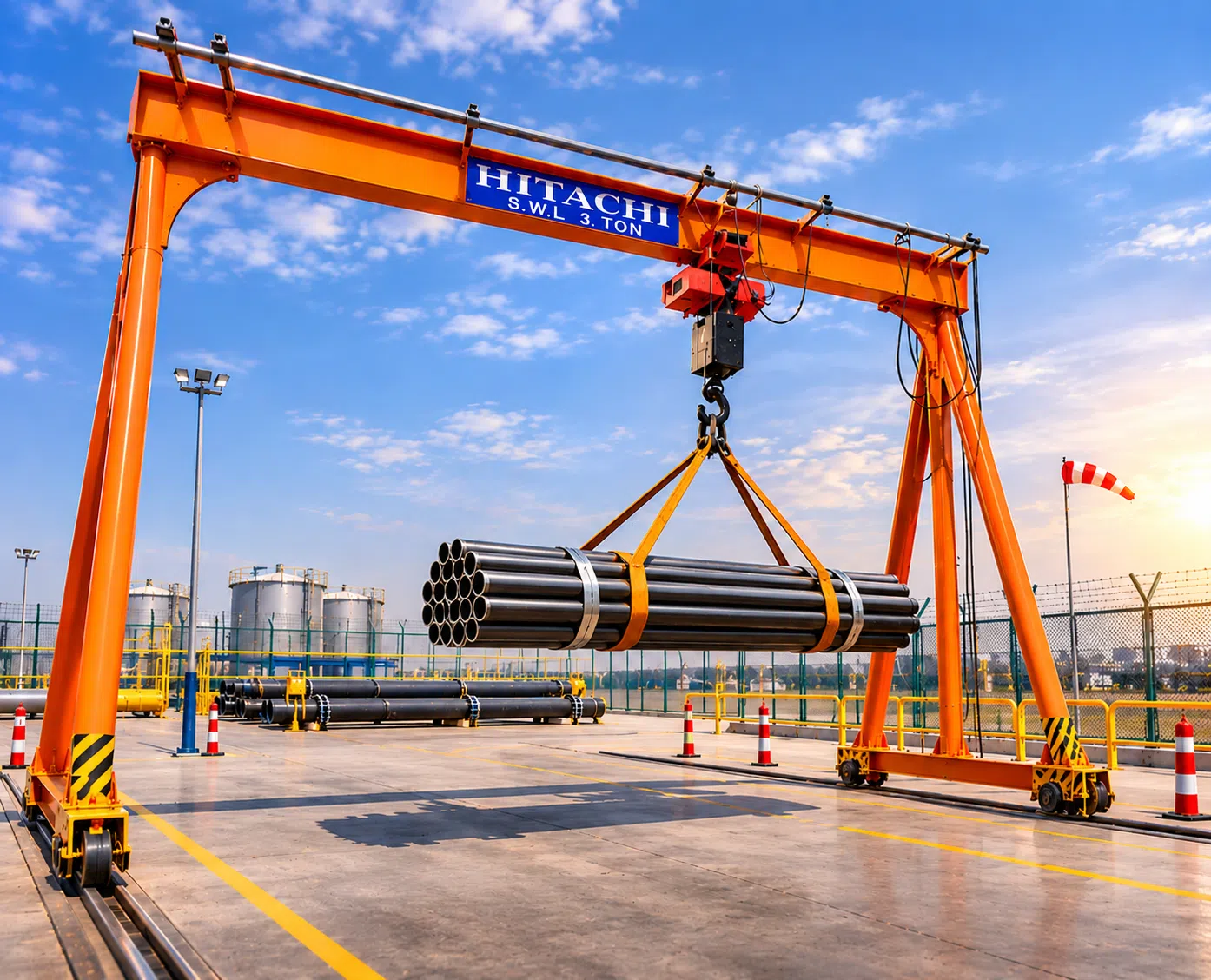
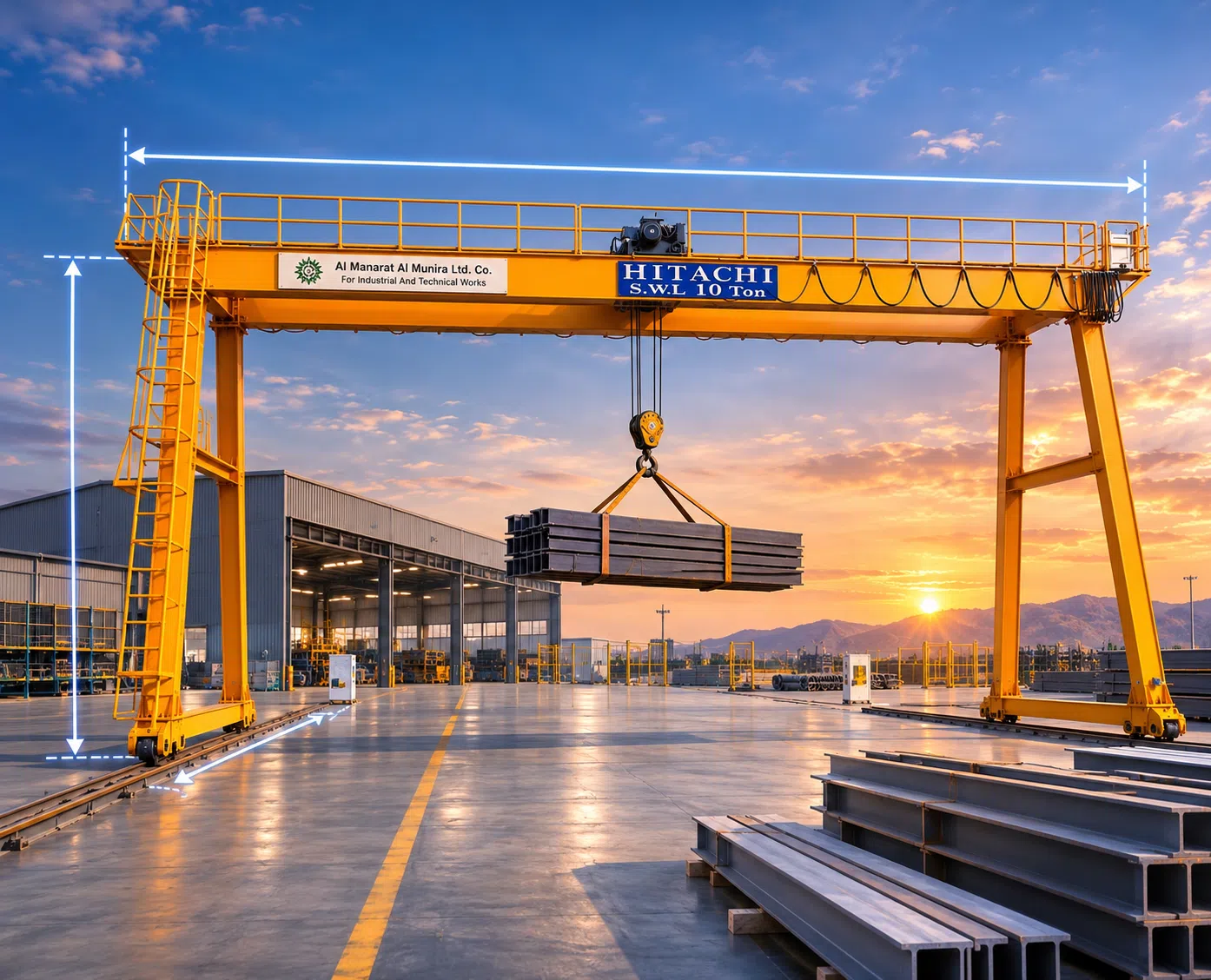
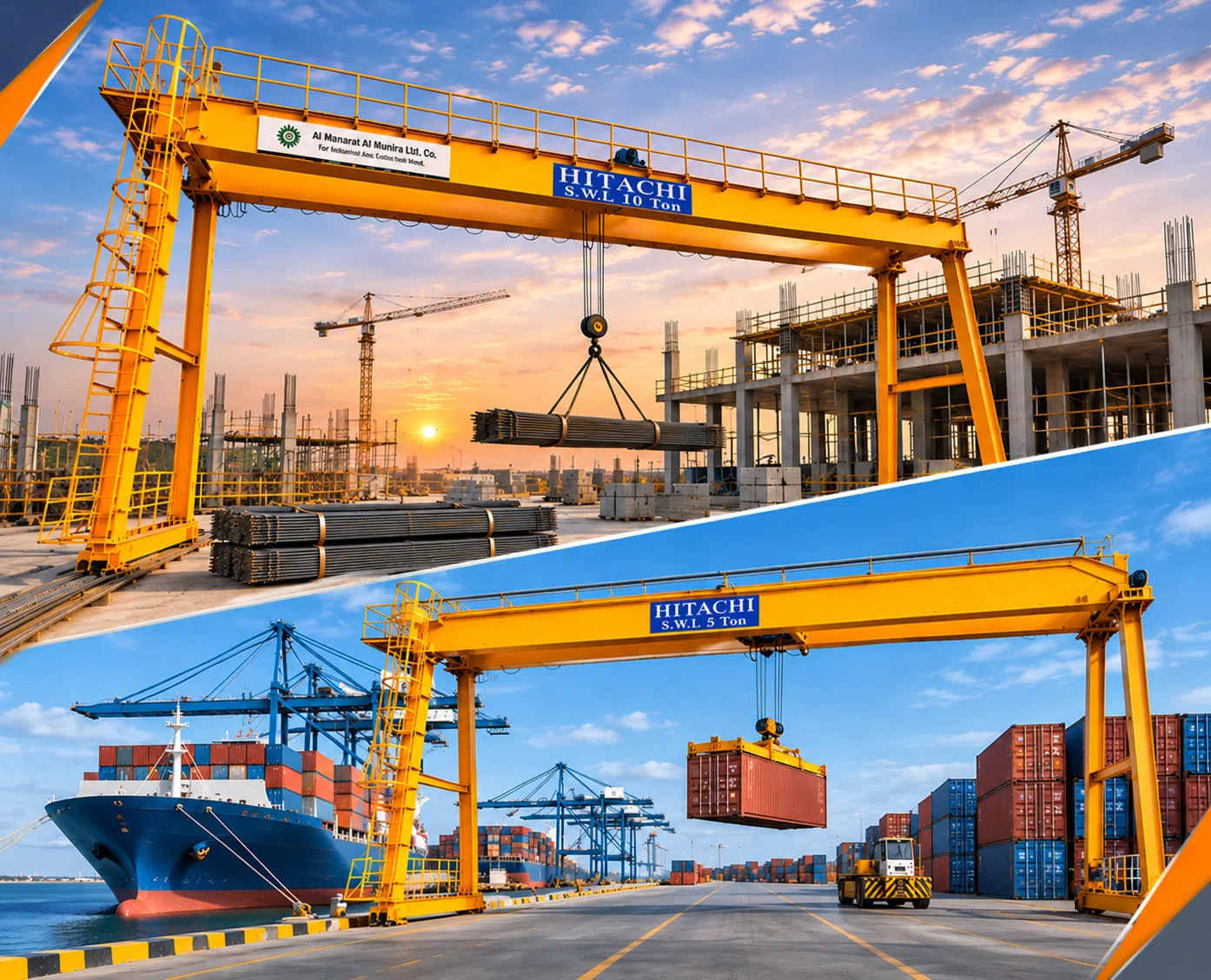
Overhead and gantry bridge cranes are the central tool for moving containers and bulk goods between road transport trailers and freight train cars. They ensure goods are sorted quickly and redirected to their final stations with the least possible human intervention.
Steel and Building Materials Distribution Warehouses
Steel products, sheet coils and rebar bundles require exceptional lifting capacity and stability that only bridge cranes provide. They can unload incoming shipments and stack them in specialized vertical racks and prepare project contractors' orders with extreme precision.
Supply Centers for the Automotive and Aviation Industries
These cranes integrate with the supply lines that feed assembly plants with spare parts, engines and chassis frames, and make it possible to feed work platforms with large parts at precise times in keeping with the Just-in-Time production concept.
How Does "Al Manarat Al Monerah" Support You in Modernizing and Equipping Your Logistics Facilities?
Al Manarat Al Monerah (almanratalmonerah.com) has accumulated experience in designing and supplying advanced industrial lifting systems that meet the needs of supply chains in the Kingdom and the Middle East, offering comprehensive services that include:
- Engineering study of layouts and material flow: Inspecting your warehouses and studying travel paths and shipment weights to choose the optimal system, whether a single girder crane to save costs or a double girder crane for the maximum possible storage height.
- Manufacture and supply in line with international specifications (FEM/CMAA): Building girders from high-strength box steel sections, equipped with European motors and gearboxes and smart frequency inverters that ensure smooth acceleration and deceleration to prevent goods from swaying.
- Installation and precision laser alignment: The company's engineering crews supervise the installation of runway beams and insulated power supply tracks and adjust their levelness to ensure quiet travel and a long service life for wheels and rails.
- Modernizing old warehouses (Retrofitting): Upgrading existing lifting systems and fitting them with anti-collision sensors, digital load limiters and encrypted digital wireless controls to raise the logistics center's efficiency without the cost of new construction.
- Preventive maintenance contracts and immediate spare parts readiness: Supplying cables, brakes and hoisting sheaves from local warehouses to secure a fast response that protects loading and unloading operations at your facility from any sudden breakdown.
You can visit the Al Manarat Al Monerah website and contact its specialist engineers directly to arrange a site inspection of your warehouse or logistics center and get a customized technical proposal that helps lower your operating costs and speed up the handling of your goods with the highest return on investment.
Frequently Asked Questions About Bridge Cranes in the Logistics Sector
How Do Bridge Cranes Help Reduce the Insurance Cost of Logistics Warehouses?
Bridge cranes reduce the movement of fast ground equipment and forklifts in narrow aisles, which are the leading cause of accidents in which workers are struck and storage racks fall. This sharp drop in accident and cargo damage rates translates directly into fewer compensation claims and lower insurance premiums charged to the facility.
Can a Bridge Crane Be Installed in a Leased Logistics Warehouse?
Yes, absolutely. This is done by installing free-standing crane systems with steel structures that rest on their own columns and bases, bolted into the warehouse floor with no need to load the roof or walls of the leased building, which allows them to be dismantled and moved completely to another location in the future when the lease ends.
What Is the Difference Between Overhead Bridge Cranes and Gantry Cranes in Logistics Centers?
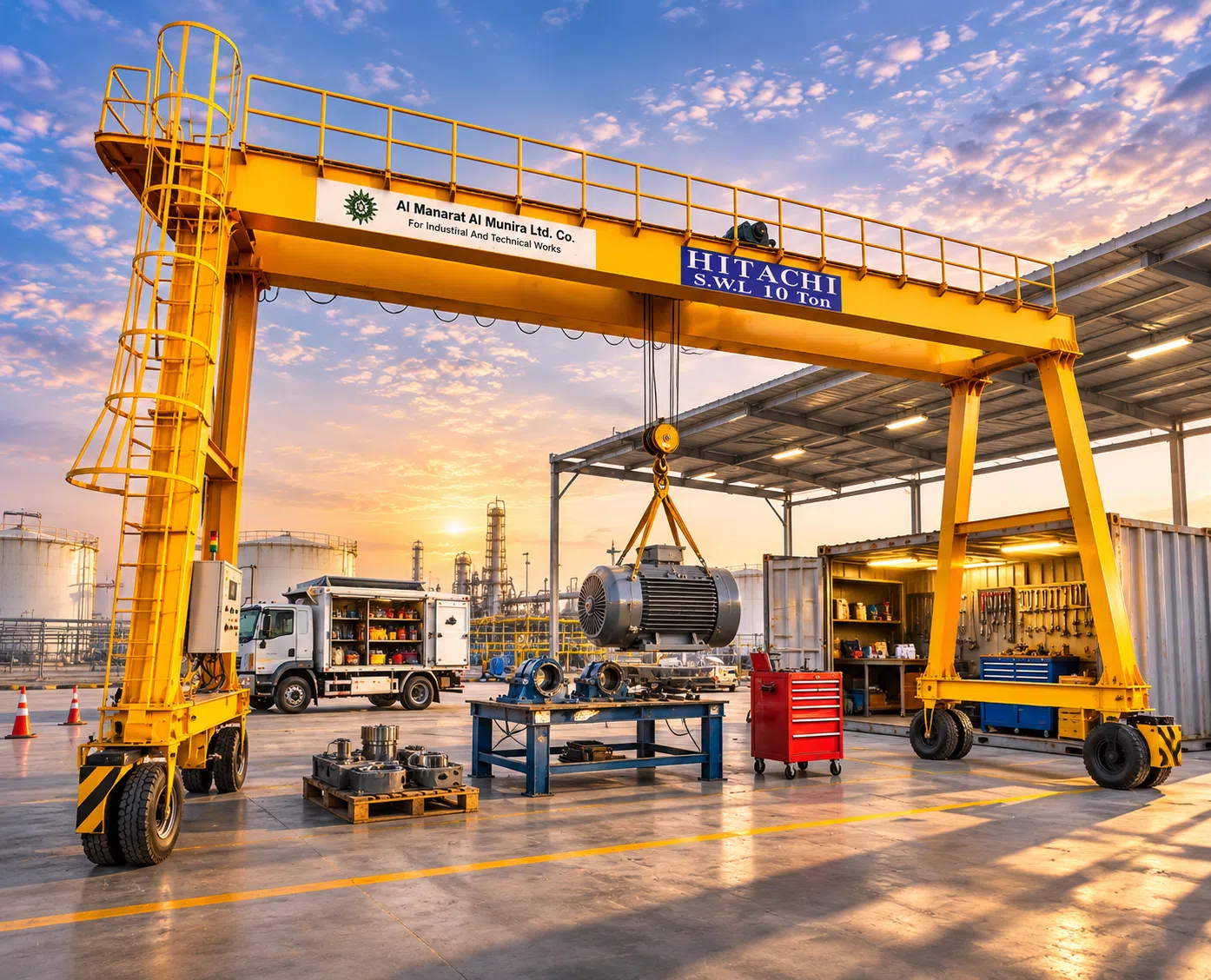
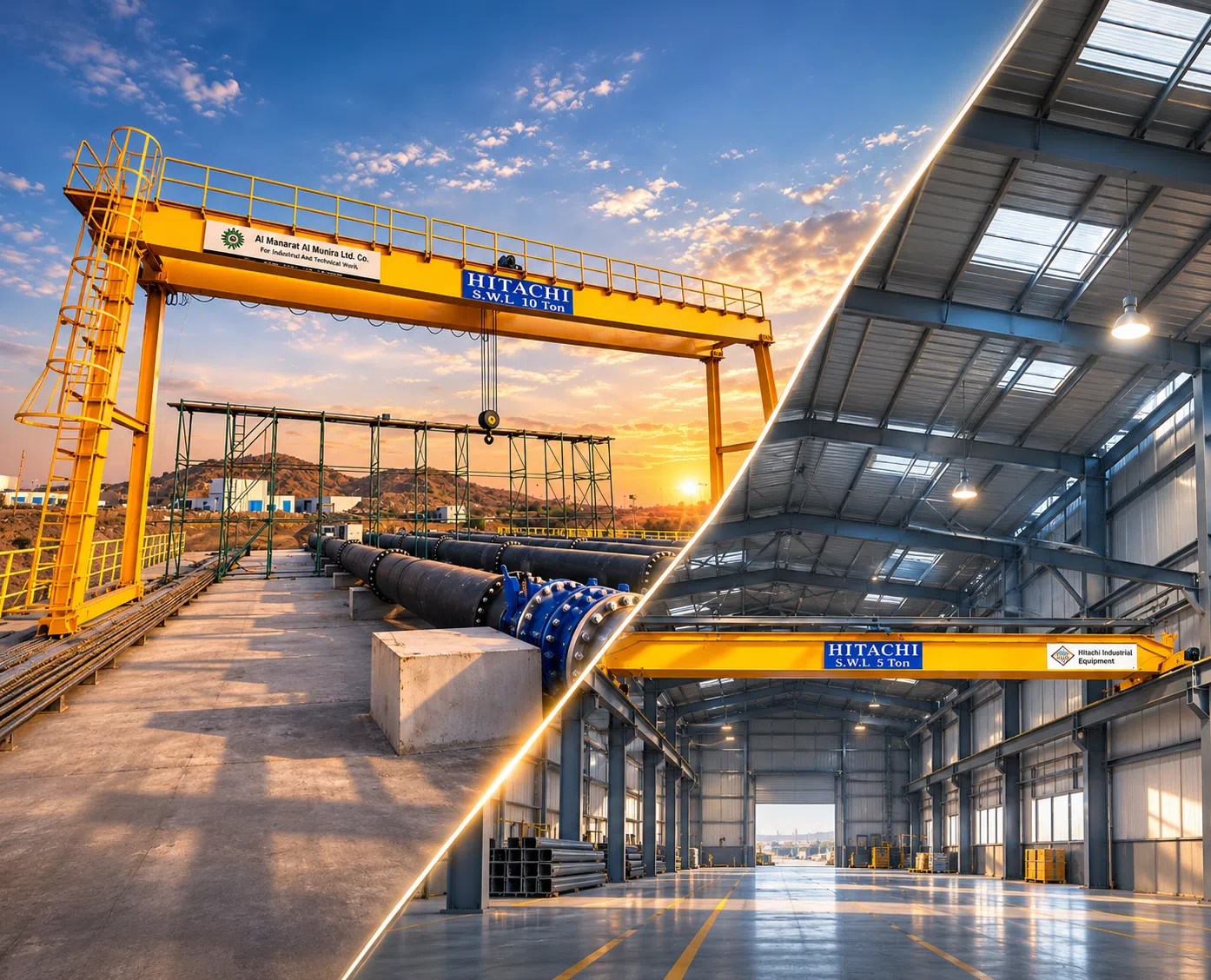
Overhead cranes have their runways fixed to the warehouse columns and walls and suit enclosed halls, leaving the floor completely free, whereas gantry cranes have their own steel legs that travel on ground rails and suit open outdoor storage and handling yards that lack roofs and columns.
Read also: How to Choose an Electric Hoist That Meets Your Factory's Cargo Lifting Needs