
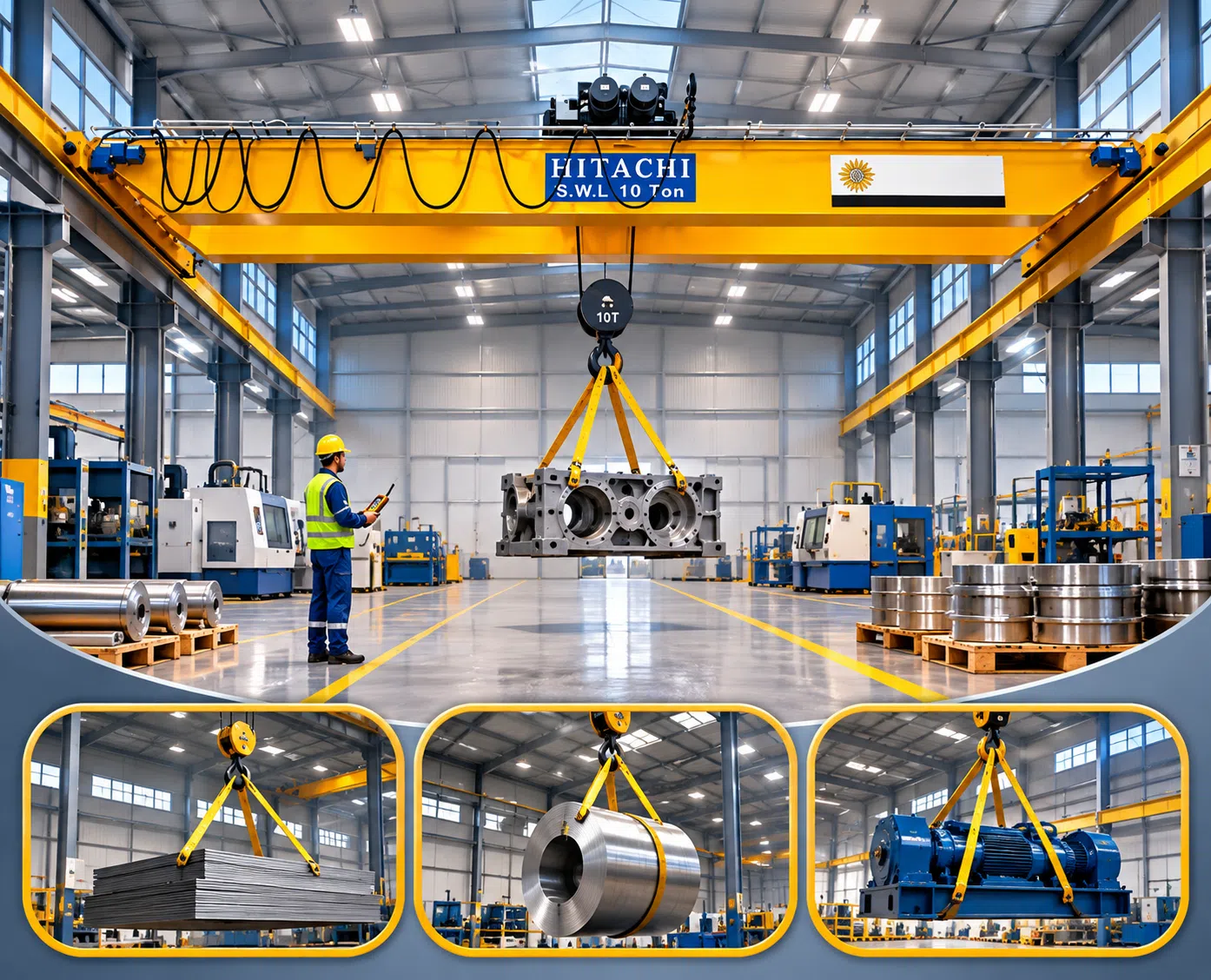
Specifications and Uses of a 5-Ton Overhead Crane in Workshops and Warehouses
Handling heavy molds, unloading metal bundles and lowering engines in medium-sized workshops is a daily logistical challenge that consumes valuable time if the facility relies on slow ground equipment or on forklifts crowding the narrow aisles. This leads many business owners to look for a balanced mechanical solution that combines high load-bearing strength with a moderate initial cost. Choosing a 5-ton overhead crane is the real turning point within storage and operating environments, as this particular capacity meets more than 70% of the repetitive lifting requirements in light and medium industry without placing huge structural loads on the building's foundations.
What Is a 5-Ton Overhead Crane?
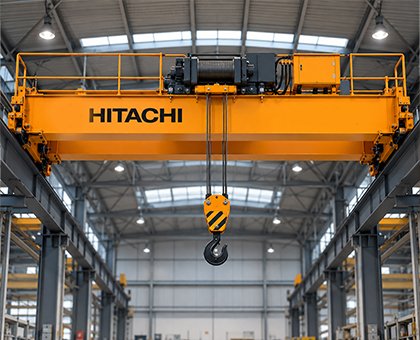
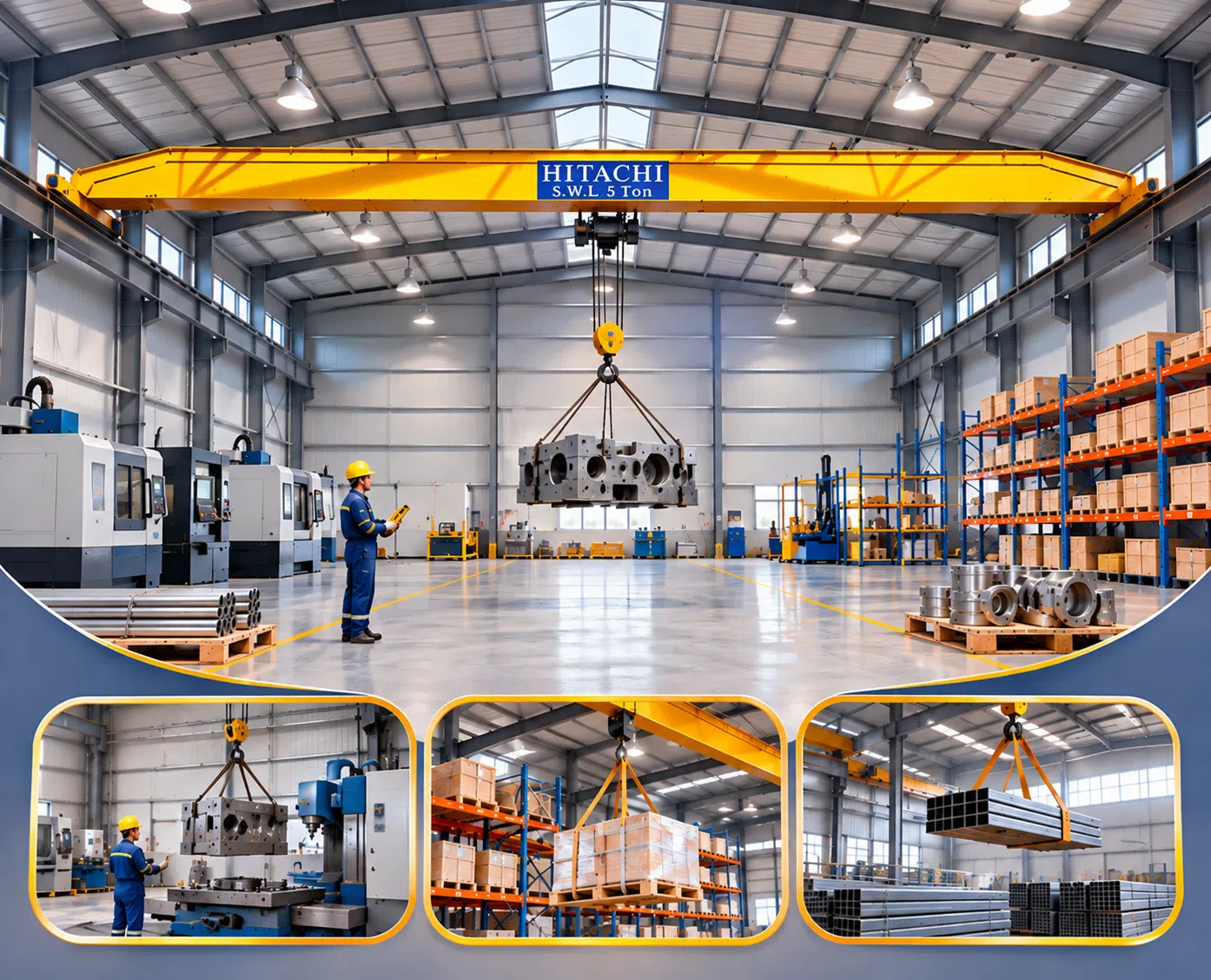
A 5-ton overhead crane is a vertical lifting system designed to safely handle loads of up to 5,000 kilograms. It is usually built on a single girder structure that travels on overhead runways fixed above the facility's columns, giving full coverage of the work area without using any part of the hall floor.
This specific class offers immediate benefits to facilities and warehouses:
- Saving floor maneuvering space entirely for assembly lines and the storage of finished products.
- Cutting the time to load and unload raw materials from trucks to processing stations with millimeter precision.
- Protecting technicians from the risk of slipping and physical injury caused by pulling and pushing heavy weights by hand.
Standard Technical Specifications of the 5-Ton Overhead Crane
The five-ton crane is subject to precise engineering calculations that ensure maximum operating benefit with the lowest energy and component consumption:
- Standard span: Typically ranges from 7.5 meters up to 28 meters, and the steel girder is custom-made based on the exact distance between the building's supporting columns.
- Actual lifting height: Starts at 6 meters and reaches 12 or 18 meters in tall warehouses, limited by the length of the steel rope wound around the hoist drum.
- Lifting speed and travel motion: Relies on dual-speed motors or smart frequency inverters (Inverter/VFD). Lifting speed ranges from 0.8 to 8 meters per minute for fine movement, while the long travel speed of the bridge reaches 20 or 30 meters per minute to ensure fast completion of work.
- Duty classification: Usually classified under FEM 2m/ISO M5 or the CMAA Class C standard, grades that give the crane the ability to work continuously for several hours a day under varying loads.
- Operating voltage and control system: Runs on three-phase electrical power (380V/400V - 50/60Hz), and is supplied with approved wireless control units that support instant emergency stop switches and an operator safety strap.
Comparative Analysis: Wire Rope Hoist Versus Chain Hoist for a 5-Ton Load
When equipping the crane, the technical choice lies between two types of mechanical lifting mechanisms. The following points show the key differences to help you make the decision best suited to the nature of your operation:
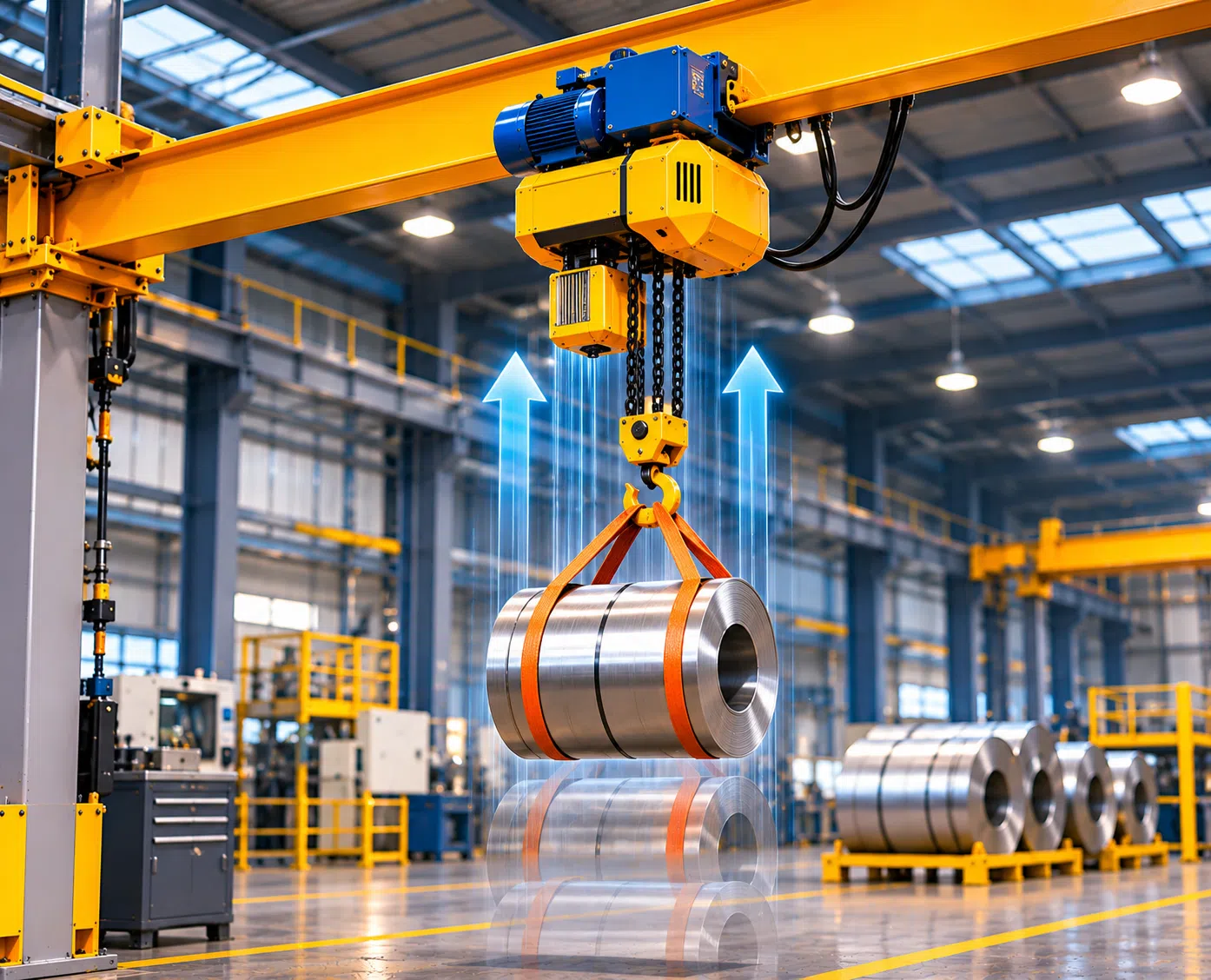
- Working mechanism and durability of the pulling components: The wire rope hoist relies on multi-strand steel ropes that wind smoothly around a grooved drum, giving a long service life and excellent shock absorption, whereas the chain hoist relies on reinforced metal links passing over a toothed wheel that requires constant lubrication.
- Lifting heights and operating speeds: The wire rope hoist excels in workshops and warehouses with large heights and high handling speeds thanks to load stability and the speed of drum rotation, whereas the chain hoist suits low heights and quiet speeds that require pinpoint positioning of mechanical parts.
- Size of the equipment and vertical space used: The chain hoist has compact dimensions and a light overall weight that does not take up much vertical space above the girder, whereas the wire rope hoist needs slightly more installation space because of the collecting drum and the direct drive motor.
- Initial cost and upkeep expenses: The chain hoist comes with a low initial investment cost suited to limited budgets, whereas the wire rope hoist requires a relatively higher initial investment but makes up for it with lower periodic maintenance costs and less rope wear under continuous work pressure.
Key Uses and Applications of the 5-Ton Overhead Crane in Industrial Environments
This capacity serves a wide range of economic activities thanks to its flexibility and its compatibility with most workshops:
1. Turning and Metal Forming Shops (Machine Shops)
CNC machines and cutting presses require a constant feed of steel plates and heavy casting molds that cannot be lifted by hand. The crane allows metal pieces to be placed with complete precision in the machine's clamping areas without scratching working surfaces or breaking delicate cutting tools.
2. Iron and Steel Storage and Distribution Warehouses
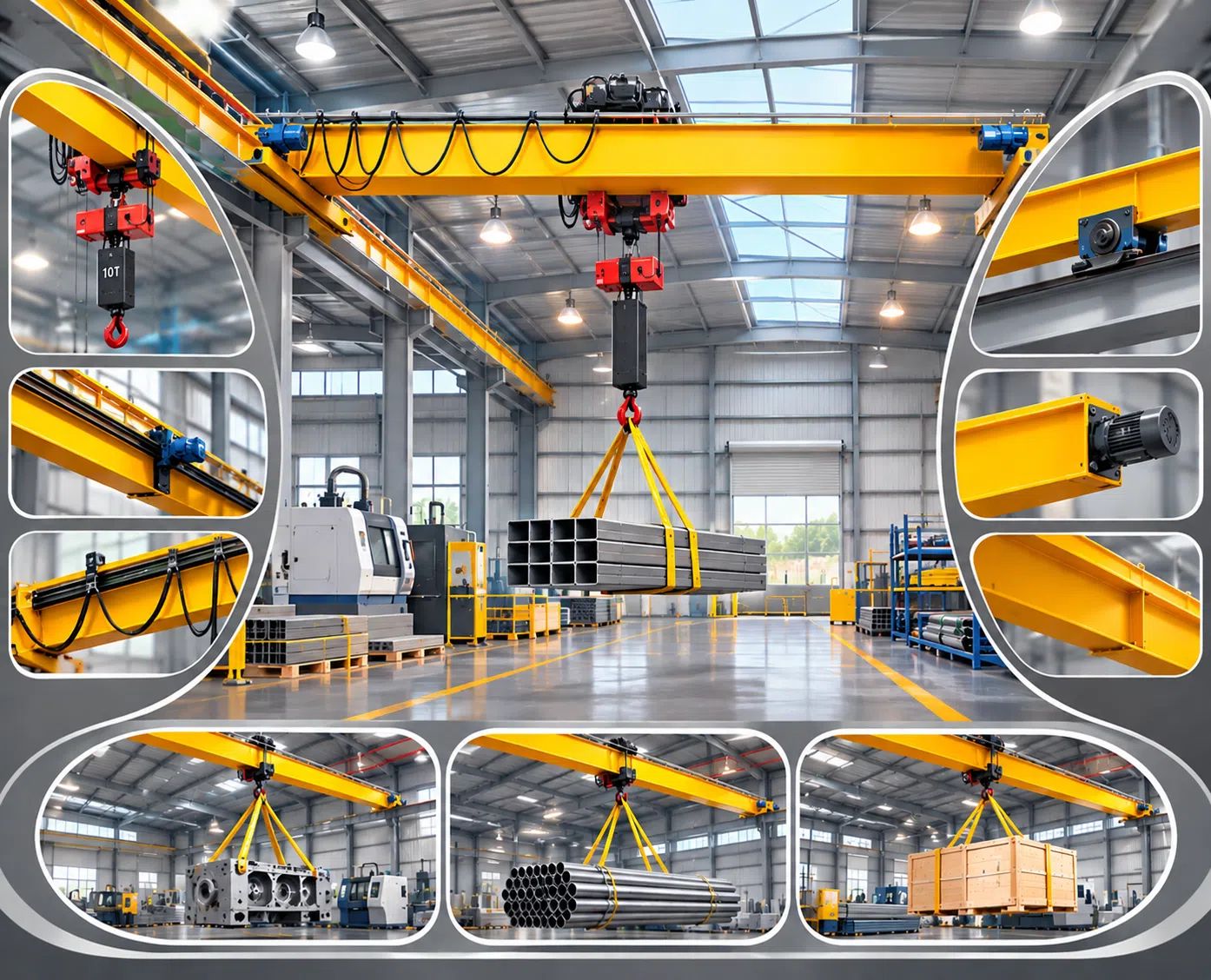
It makes it easier to handle and unload bundles of pipes and bars and steel coils arriving on shipping trailers, and to distribute them in an orderly way into vertical storage racks, which multiplies the warehouse's storage capacity by using the full height up to the truss roof.
3. Automotive and Heavy Equipment Maintenance Shops
It is the ideal tool for removing and lifting truck engines, large electric generators and gearboxes and moving them between inspection stations and washing and refurbishment areas with complete safety and great speed.
4. Plastic Injection Molding and Glass Manufacturing Plants
Speeding up the changeover and lowering of large steel injection dies and molds to and from the production lines, where fast changeover shortens technical downtime and improves the efficiency of filling lines.
Mandatory Safety Requirements for Operating a 5-Ton Overhead Crane
- Digital Overload Limiter: An electronic system programmed to automatically cut the hoist motor circuit and sound a visual and audible alarm when an attempt is made to pick up any weight exceeding 5,000 kg.
- Dual Limit Switches: Mechanical and electrical cut-outs that stop upward motion before the hook reaches the hoist drum, and that prevent the hoist trolley or bridge from colliding with the ends of the hall's steel rails.
- Self-locking electromagnetic brake systems: They operate on the automatic closing principle (fail-safe brake), which applies the mechanical brake as soon as power is suddenly lost, to ensure the load stays suspended in the air and does not fall to the ground.
- Encrypted wireless control device: Completely isolating the operator from the danger zone, with the transmitter fitted with a magnetic operating key that prevents any untrained person from operating the crane without prior authorization.
Frequently Asked Questions About the 5-Ton Overhead Crane
Can a 5-ton overhead crane be installed on an existing factory truss structure?
Yes, provided a certified structural engineer calculates the load-bearing capacity of the building's steel columns and concrete foundations to confirm they can withstand the shear and bending forces produced by the crane's weight with the maximum operating load. If they are not sufficient, independent steel columns are custom-made alongside the existing building.
What is the difference between an underhung 5-ton overhead crane and a top running one?
A top running overhead crane travels on rails fixed on top of the supporting runway and provides true capacity and superior reliability for loads, whereas an underhung crane is suspended from the lower flange of the roof beams and suits buildings that have no side space for columns, but it imposes limits on lifting capacity and hoist size.
What is the expected service life of the steel wire ropes in the crane?
Service life depends on the daily operating rate and the quality of lubrication. Under standard working conditions, ropes last from two to four years, and they must be inspected weekly and replaced as soon as any signs of wear or brittleness appear in the wire strands, or if the rope diameter falls below the permitted engineering limits.
Read also: When Do You Need to Install a 10-Ton Overhead Crane in Your Industrial Facility?