
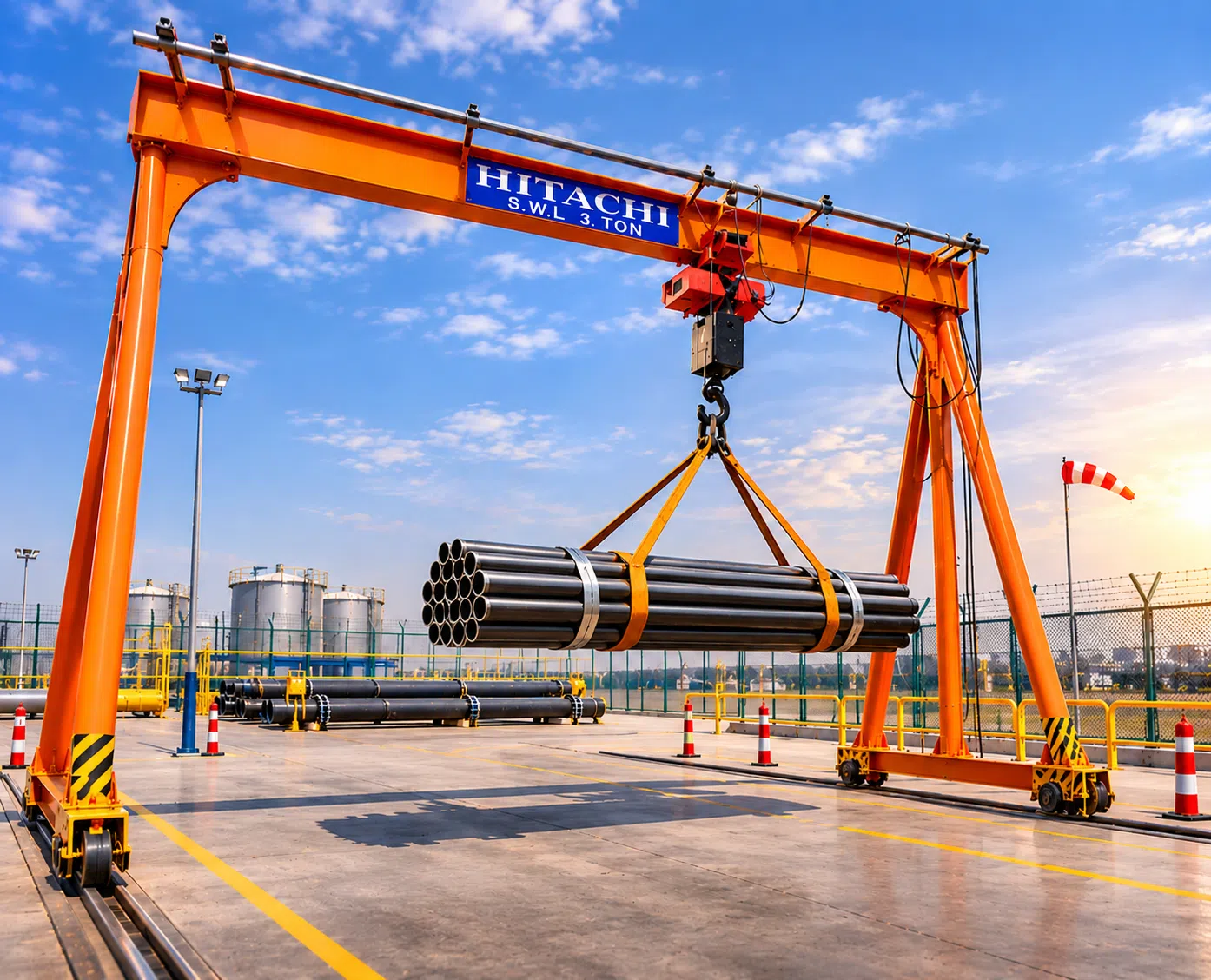
Safety Standards in Manufacturing a Gantry Crane for Open Yards
Exposed work environments and logistics storage yards impose extremely serious engineering challenges that indoor cranes, protected by concrete walls and roofs, never face. Sudden lateral wind forces, severe temperature swings and varying dynamic stresses combine to put continuous pressure on the steel structures and ground anchor points of the machine. Neglecting strict protective requirements during the gantry crane manufacturing stage for outdoor work does not stop at causing repeated mechanical failures that disrupt cargo shipping. It opens the door to terrifying structural disasters, including the crane drifting off its track, collapse of the box girder, or the legs overturning under dust storms. For this reason, modern manufacturing engineering is built on turning global safety standards from after-the-fact inspection procedures into a pillar built into every steel plate, weld line and electronic control circuit from the very first moment of the layout drawing.
What Are the Most Important Safety Standards in Manufacturing a Gantry Crane for Open Yards?
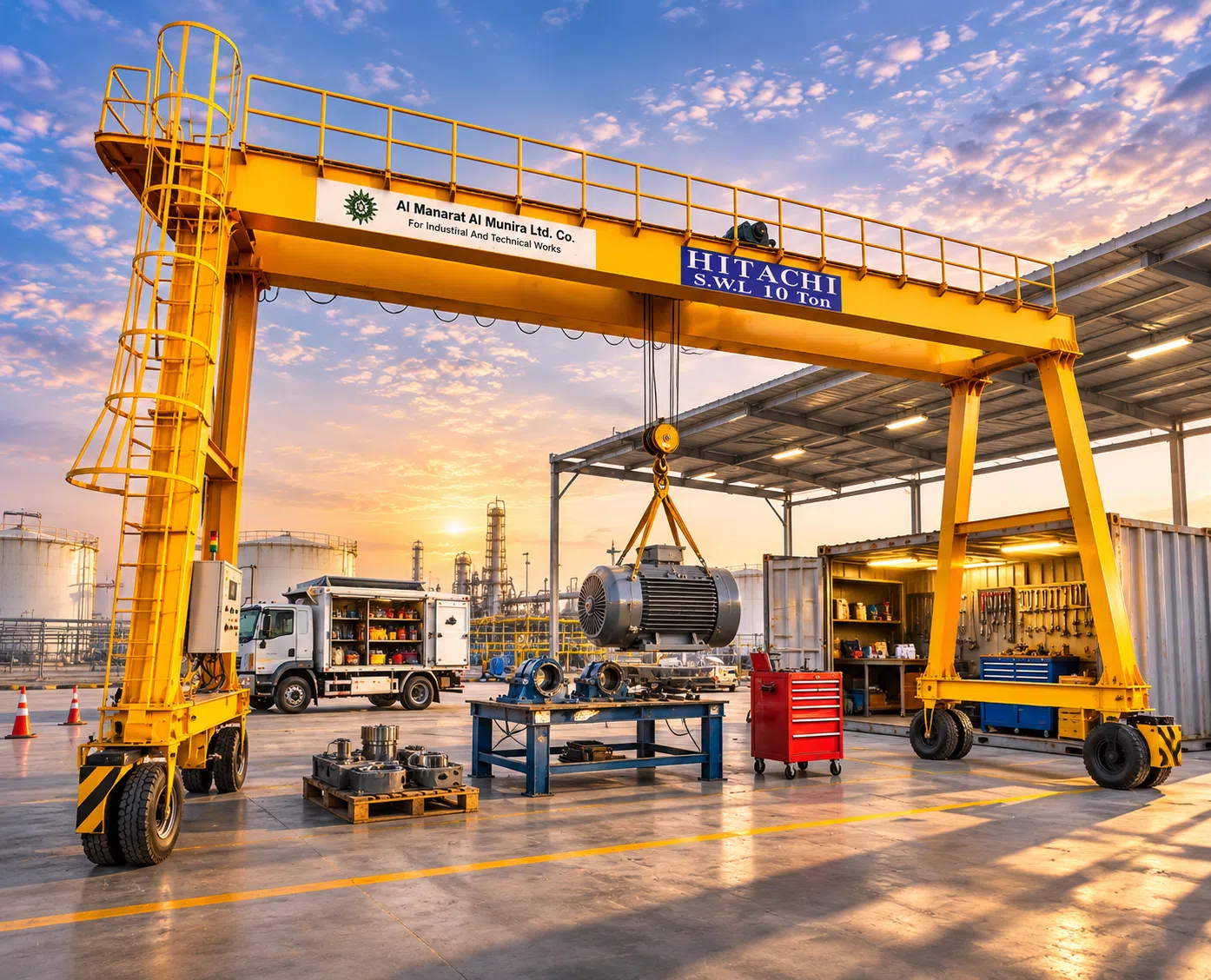
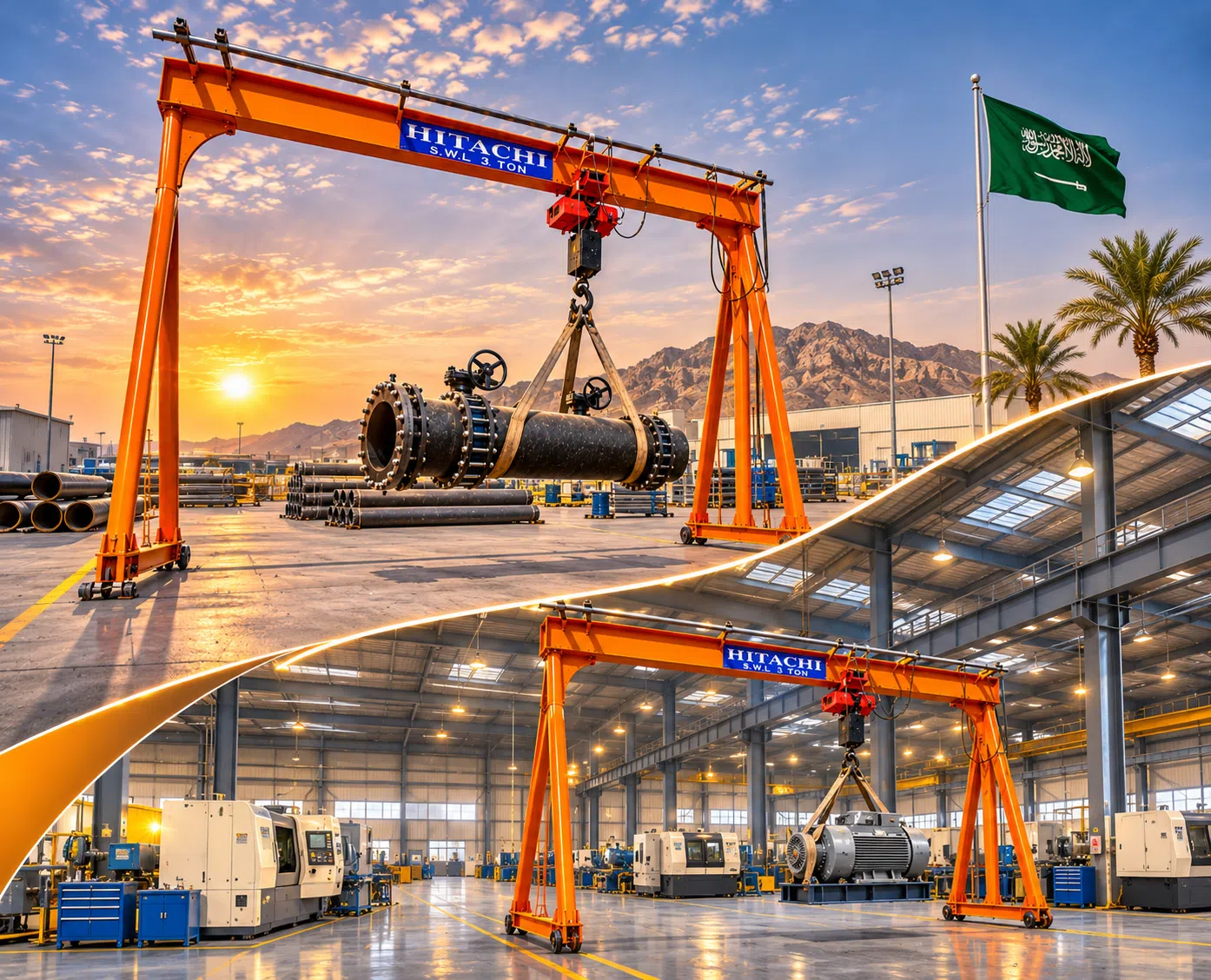
The mandatory safety standards in manufacturing an outdoor gantry crane rest on wind resistance calculations and structural stability against overturning under FEM and CMAA standards, the use of high-stress steel plates with weld lines checked by non-destructive testing (NDT), fitting the machine with rail clamps and automatic storm brakes, applying thick marine-grade epoxy coating systems, and integrating digital load limiters and laser sensors to prevent collisions and impacts in the field.
Precise engineering application of these standards achieves strategic operational goals:
- Complete mechanical stability and balance of the girder and supporting legs while lifting and unloading massive loads in the open air.
- Preventing the crane from sliding or its wheels leaving the ground rails because of strong air currents.
- Full compliance with the technical requirements approved by industrial inspection bodies and civil defense.
Structural and Mechanical Safety Requirements During Manufacturing
Every mechanical stage is subject to precise calculations that ensure the crane does not suffer cumulative fatigue or structural collapse:
1. Dynamic Calculations and Resistance to Overturning and Wind Forces
Global codes specify design wind loads in two cases: wind during actual operation, and maximum wind when the crane is completely parked (storm winds). The steel legs are designed with specific inclination angles and wide bases connected by cross bracing to absorb the bending moment, with a safety factor against overturning of no less than 1.5 calculated under the harshest weather conditions expected at the site.
2. Steel Quality and Submerged Arc Welding (Welding Integrity)
The box girders and supporting legs are built from certified carbon steel plates (such as S355JR or equivalent) with high resistance to brittle fracture across changing temperatures. The critical joints are welded by automatic Submerged Arc Welding (SAW) machines to avoid air gaps, followed by mandatory ultrasonic (UT) and magnetic particle (MT) inspections to confirm the welds are free of any internal microscopic cracks.
3. Pre-Cambering System (Cambering)
The horizontal top girder is manufactured with a precise upward camber, engineered to counter the crane's self-weight and the maximum load. This pre-camber ensures that the girder stays perfectly level and straight when the maximum operating weight is lifted at mid-span, which prevents the hoist trolley from drifting toward the center on its own and protects the cross travel motors from burning out.
Comparative Analysis: Gantry Crane Manufacturing Standards for Open Yards Versus Indoor Cranes
The manufacturing requirements for outdoor gantry cranes differ radically from those for cranes used in enclosed factories and workshops. The following points show the key technical and operational differences between them:
- Resistance to weather and humidity: Indoor cranes make do with standard coating grades and medium motor protection (IP54/IP55), whereas open yard cranes require multi-layer marine epoxy and polyurethane coatings, with control cabins and motors sealed to IP65/IP66 to prevent component damage from rain and dust.
- Anchoring systems and wind brakes: Indoor cranes do not need anchoring systems against air currents, whereas fitting an outdoor gantry crane with hydraulic storm rail clamps and double mechanical end-of-travel buffers is mandatory to prevent involuntary movement during desert storms.
- Leg equipment and ground travel tracks: Indoor overhead cranes run on clean, protected roof-level runways, whereas open yards require ground travel trucks fitted with steel rail sweepers and solid protective canopies over the travel motors and wheels to prevent gravel from rubbing against the steel flanges.
- Electrical power supply system: Enclosed facilities rely on simple suspended conductor bars, whereas an outdoor crane requires thermally insulated motorized cable reels, or protected ground trenches designed to withstand flood water and the passage of heavy trucks without cutting the supply cables.
Mandatory Smart Safety Systems for Open Yard Cranes
The safety system is not complete without electronic sensing and monitoring technologies that respond immediately to changes in the field:
- Smart wind speed gauge (Anemometer): A precise sensor mounted at the highest point of the girder that sounds an audible and visual warning when the wind reaches a critical speed, and automatically cuts off travel motions and engages the rail clamps as soon as the pre-set safe speed is exceeded.
- Digital Overload Limiter (Digital Load Cell): An electronic system connected directly to the hoist sheave shaft that reads the load weight in real time and prevents the motor from continuing to hoist if the load exceeds the crane's rated capacity, while sounding a loud alarm.
- Laser Anti-Collision Sensors: Optical scanning devices mounted on the ground travel trucks that monitor the rail path and automatically stop the crane at a safe distance if a transport truck, another crane or any solid obstacle is in the path of movement.
- Dual Fail-Safe Brake Systems: The hoist motor is fitted with a primary electromagnetic brake and an emergency hydraulic disc brake mounted directly on the rope drum. This arrangement keeps the load suspended in the air and makes a fall impossible even if the motor gears suddenly break or power is lost completely.
- Continuous visual and audible warning devices: Warning flash lights and sirens that activate automatically with any movement of the legs on the ground, to alert technicians and vehicle drivers around the open yard.
The Role of Al Manarat Al Monerah in Establishing Gantry Crane Manufacturing Standards
Al Manarat Al Monerah (almanratalmonerah.com) places occupational safety standards and compliance with international codes at the top of its priorities when manufacturing and supplying lifting equipment for open yards in the Kingdom and the Middle East:
- Engineering calculations that match the regional climate: The engineering team designs the girder and leg sections to the highest safety factors approved in FEM and ISO standards, with precise allowance for the wind speeds and extreme temperatures that characterize work yards in the region.
- Strict quality tests and documented inspection certificates: All structural joints undergo non-destructive weld testing by internationally certified inspectors, and material inspection records and component certificates of origin are provided to the customer before supply.
- Mechanical treatment and heavy-duty coating: Blasting the steel surfaces with steel shot to an SA 2.5 cleanliness grade and applying thick marine epoxy coating systems that resist corrosion and ultraviolet radiation to safeguard the structure for many years.
- Field installation and precision laser alignment: Specialized engineering crews supervise the installation of the runways and rails and set their parallelism and levelness with precise optical instruments, to avoid any unbalanced side stress on the wheels.
- Load testing and issuing calibration certificates for civil defense: Carrying out static load tests at 125% and dynamic load tests at 110% on site under engineering supervision, and issuing approved test certificates for submission to the official authorities.
You can visit the website of Al Manarat Al Monerah and contact its specialist consultants to discuss the technical and architectural requirements of your open yard, and obtain a gantry crane manufactured with the highest structural precision to ensure stable operations and protect lives and property.
Frequently Asked Questions About Gantry Crane Safety and Manufacturing Standards
What is the difference between travel brakes and rail clamps on a gantry crane?
Ordinary travel brakes are electromagnetic brakes built into the travel motors to stop the wheels from turning gradually during normal operation. Rail clamps, by contrast, are massive steel jaws with an independent hydraulic system that grip the rail head directly with tremendous force to hold the crane structure and prevent it from moving in strong winds, even if the wheels were to turn.
How does the engineering design ensure that the gantry crane does not leave the rail?
This is achieved by manufacturing the travel wheels from hardened steel with double flanges (double-flanged wheels) that surround the rail head from both sides, in addition to fitting horizontal side guide rollers that prevent skewing, and programming the frequency inverters (VFD) to synchronize the movement of the two legs to millimeter precision, which prevents any diagonal tilt of the girder.
What technical safety documents should be received from the manufacturer with the gantry crane?
You should receive a complete technical file that includes: non-destructive weld inspection reports (NDT reports), tensile test certificates for the steel plates (mill certificates), electrical circuit drawings and safety system diagrams, the operation and preventive maintenance manual, in addition to the on-site load test report approved by an independent inspection body.
Read also: The Role of Overhead Bridge Cranes in Strengthening the Logistics Sector