
Pros and Cons of Single Girder Overhead Cranes and How to Get the Most from Them
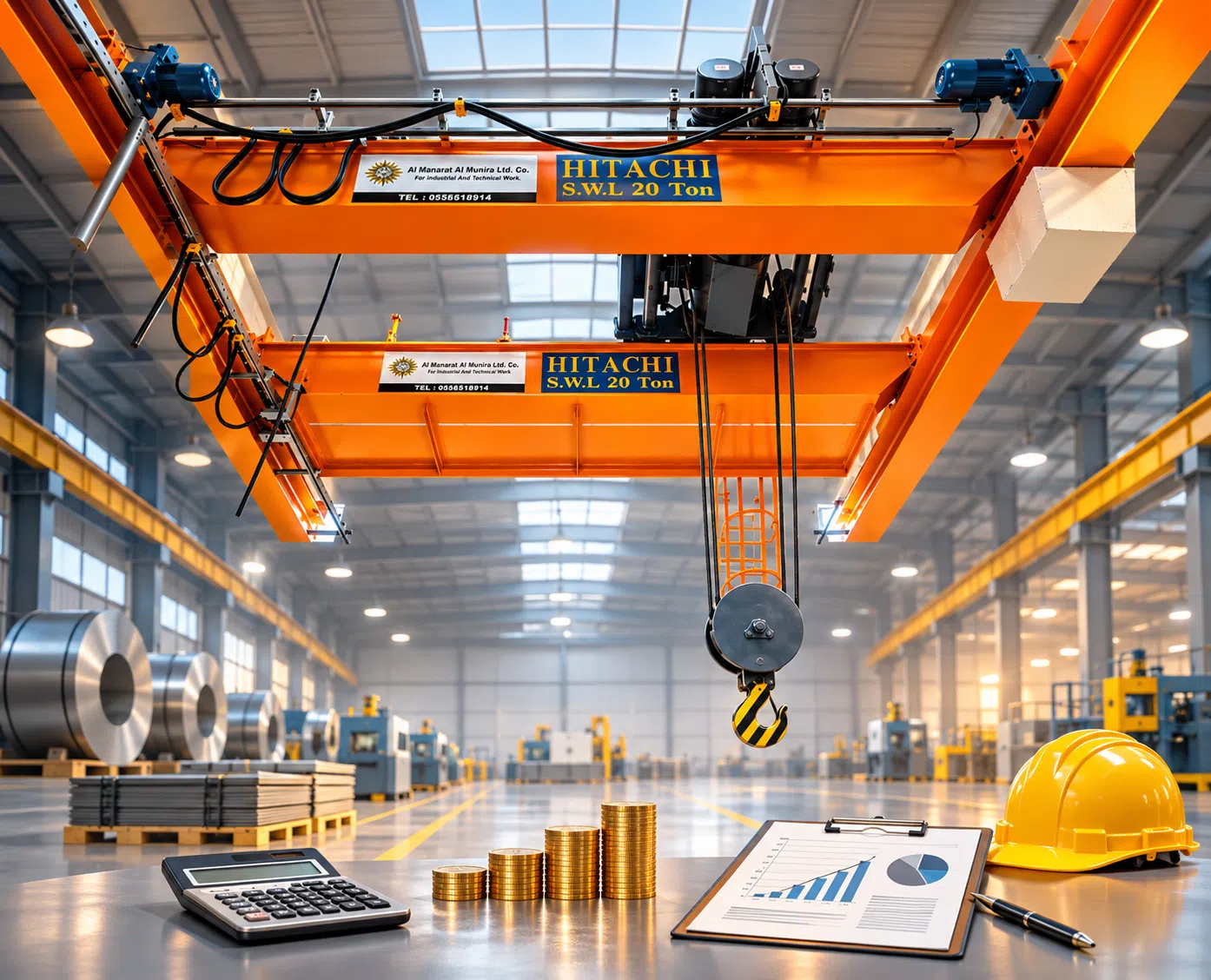
Factory and warehouse managements are always looking for a difficult balance between maximizing the operating capacity of production lines and controlling setup and periodic maintenance budgets, so as not to drain cash into equipment that exceeds the facility's real needs. When designing overhead lifting systems, the most prominent choice is the single girder as a practical solution that combines structural flexibility with speed of delivery. Understanding the characteristics of single girder overhead cranes, and knowing what they offer your work environment and what operating limits they impose, is the essential step to avoid buying equipment that does not meet your future ambitions, or spending extra on double girders that your hall may not need at all.
What Are Single Girder Overhead Cranes?
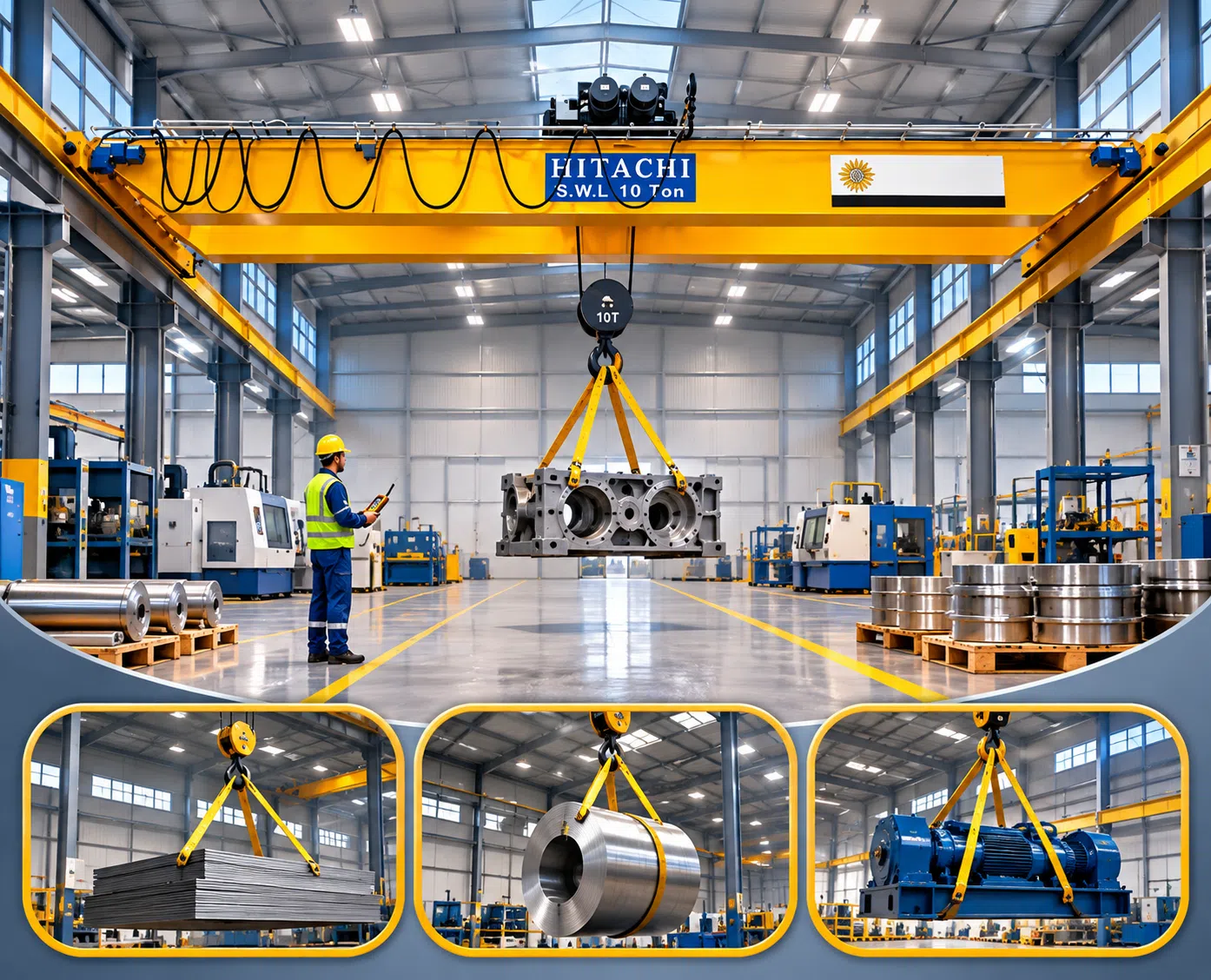
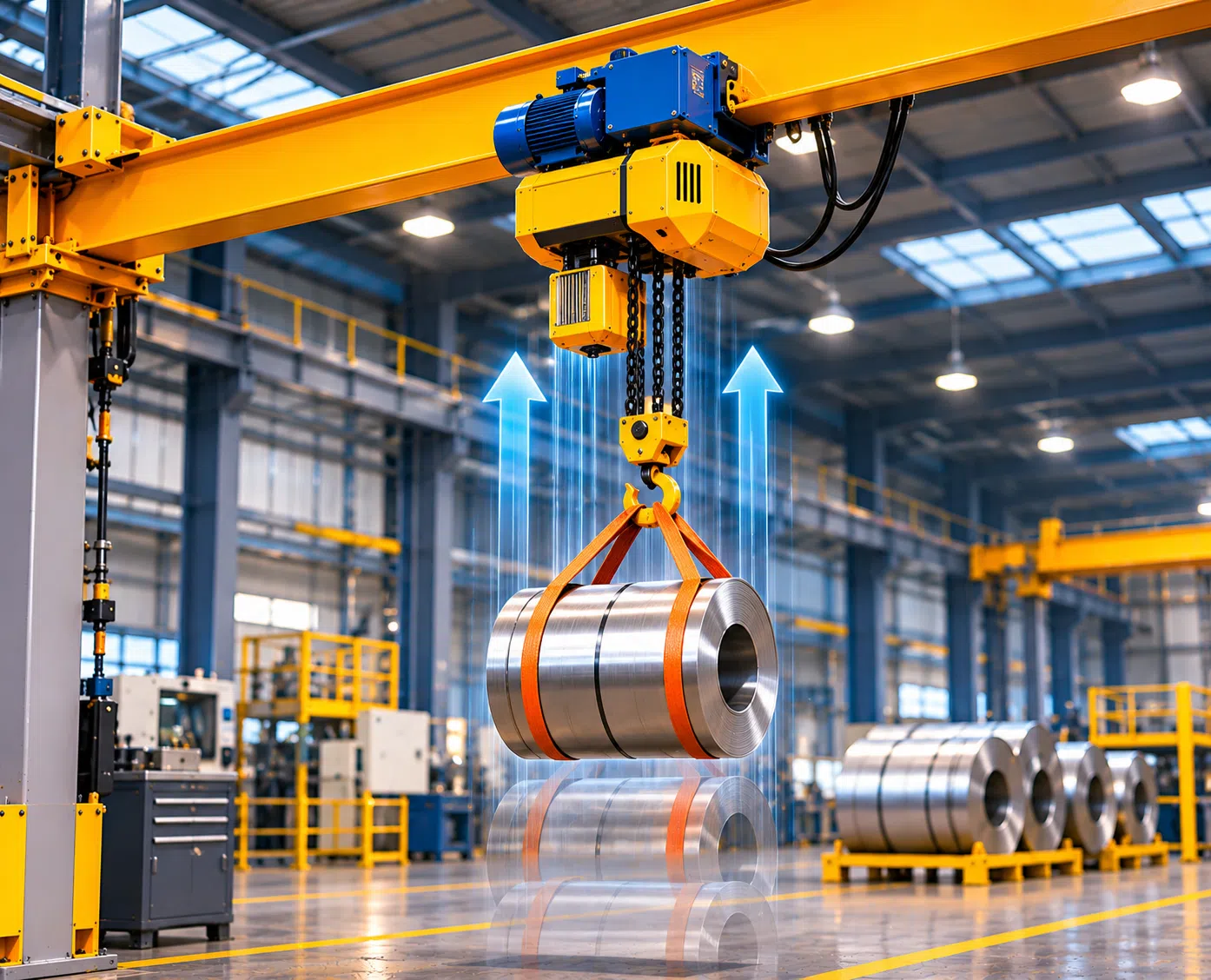
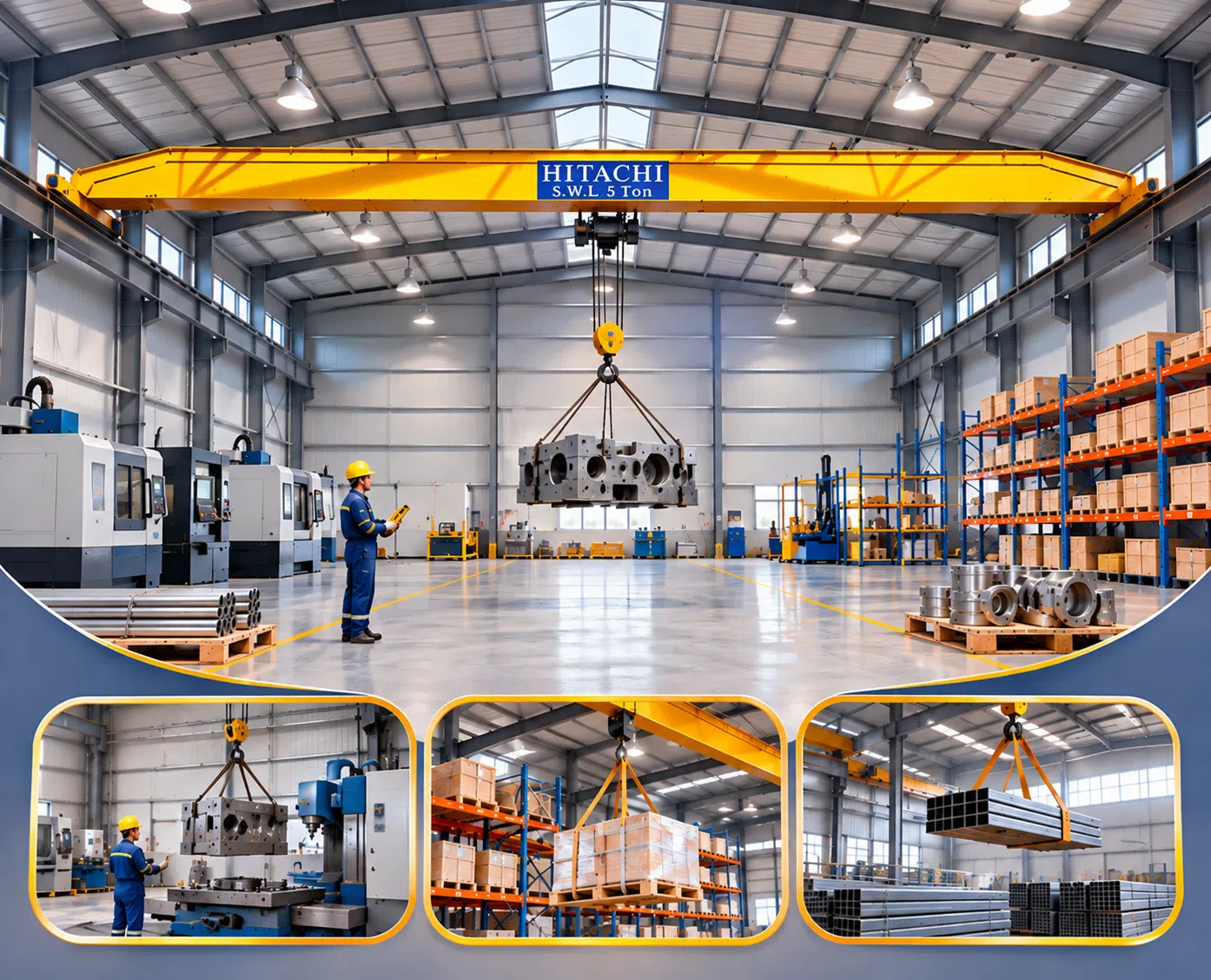
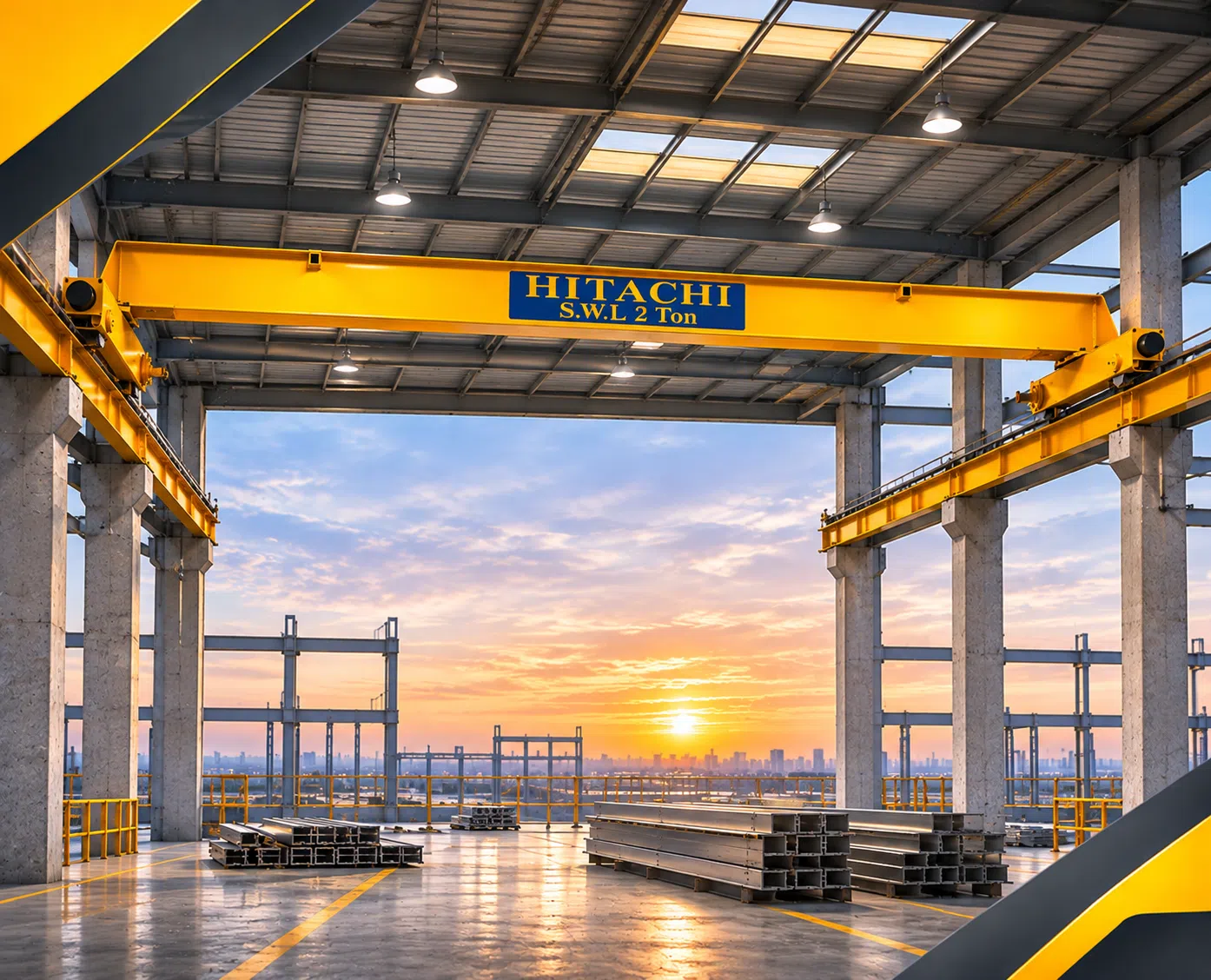
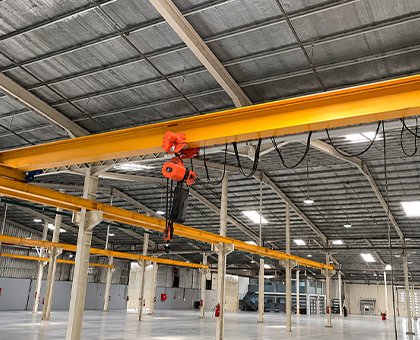
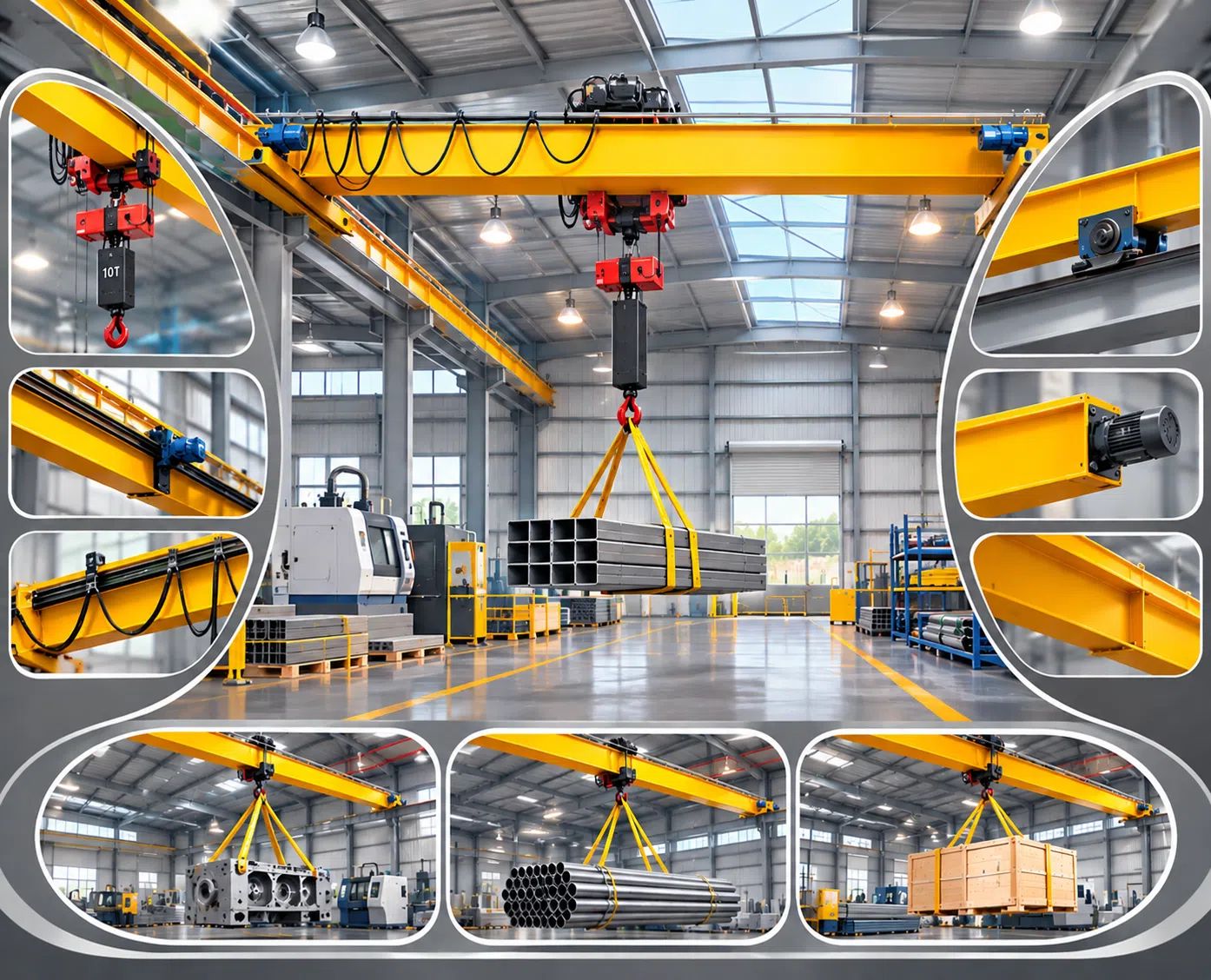
Single girder overhead cranes are lifting systems that rely on one main steel girder extending horizontally between two parallel runways on the building columns. The electric hoist trolley travels suspended directly from the lower flange of this girder to carry out three-dimensional lifting and moving of light and medium loads.
This engineering class is the most common choice in the industrial sector thanks to several key points:
- Its ideal suitability for warehouses with limited height and for prefabricated buildings.
- Reduced dead structural loads on the concrete columns and the facility's foundations.
- A lower investment cost, by 25% to 35% compared with double girder cranes.
Operating Advantages of Single Girder Overhead Cranes
These cranes draw their wide popularity in workshops and distribution centers from a set of practical benefits that show up in day-to-day flexibility:
1. Low and Economical Setup and Operating Cost
A single girder consumes less structural steel during manufacturing and relies on standard-capacity motors and drive components, which directly lowers the total purchase price, international shipping costs and field installation labor.
2. Light Structural Weight That Reduces Structural Stress
The dead weight of a single girder crane is much lower than that of its double girder counterpart. This gives you the option of installing it in light hangars and warehouses without needing to reinforce the columns or pour costly concrete foundations to support the runways.
3. Speed and Ease of Maintenance and Replacement
The system design is simple and direct. The mechanical and electrical parts and the hoist trolley are exposed and easy for technicians to reach and inspect from ordinary lifting platforms, without engineering complications in removing gears or cables.
4. Excellent Use of Limited Space
This class works well with low roofs, as low headroom hoist trolley designs allow the load to be lifted to the highest point close to the underside of the girder, ensuring use of every vertical centimeter inside the workshop.
Disadvantages and Limits of Single Girder Overhead Cranes
Despite their many advantages, the engineering nature of the single girder imposes some limits that must be clearly understood before buying:
1. Load Limits and Maximum Lifting Capacity
These cranes are usually designed for loads starting at 1 ton and reaching up to 20 tons at most. Trying to go beyond this with wide spans causes unsafe mechanical deflection in the girder, which makes them unsuitable for smelting and heavy steel plants.
2. Span Limitation
A single girder reaches its peak efficiency at distances not exceeding 22 to 25 meters between columns. If the distance is greater, the girder needs substantial additional reinforcement that raises its weight and cost, so that the double girder then becomes the more stable and economical option.
3. Restricted Net Hook Height
Because the hoist hangs below the girder, the upper lifting point of the hook always remains below the level of the steel girder, unlike double girder cranes whose trolley runs on top of the two girders and gives the hook more vertical room, close to the building roof.
4. No Inspection Walkways or Overhead Maintenance Access
The single girder structure usually does not allow side walkways with safety rails to be added along the girder for engineers because of their weight. This forces reliance on ground scissor lifts or mobile scaffolding when carrying out periodic maintenance of the motors.
Comparative Analysis: Single Girder Crane Versus Double Girder Crane
To determine the right system for your facility, the following points show the key structural and operational differences between the two systems:
- Nature of the structure and weight distribution: The single girder crane relies on a single lightweight steel girder with a central load carried low, whereas the double girder crane rests on two parallel girders that provide superior rigidity and high resistance to twisting and bending forces under major loads.
- Lifting capabilities and daily service classification: The single girder crane suits light and medium operating periods and weights not exceeding 20 tons, whereas the double girder crane is designed for continuous heavy-duty service (Class D/E/F) with loads exceeding 100 tons running consecutive shifts without interruption.
- Hook path height and roof utilization: The single girder crane loses part of the vertical height to hanging the hoist below the lower edge, whereas the double girder crane gains this height in full because the hoist trolley sits and moves on top of the two parallel girders.
- Total cost and structural readiness of the building: The single girder crane saves significant sums in purchase and runway beam installation and does not require heavily reinforced buildings, whereas the double girder crane requires a higher financial investment and sturdy concrete and steel structures able to withstand the high wheel reaction forces.
How Do You Get the Most from Single Girder Overhead Cranes in Your Factory?
The limitations of the single girder can be overcome and turned into a high-performance machine by following smart technical measures:
- Use a low headroom trolley: This design helps raise the hoist body alongside the girder instead of hanging fully below it, gaining you 30 to 50 cm of vertical height for lifting tall equipment.
- Fit the motors with smart frequency inverters (VFD): Eliminating single girder vibration starts with installing frequency speed drives that ensure very smooth starting and settling, preventing lateral swaying of loads and protecting the runways from wear.
- Coordinate with ground work stations: Position sensitive machines in the middle of the crane's travel and avoid placing them in the dead ends beside the walls that the hook of the suspended hoist has difficulty reaching.
- Rely on encrypted wireless control systems: Give the operator freedom of movement alongside the crane's path to monitor load balance remotely with a panoramic line of sight, without having to climb up to girder level.
Frequently Asked Questions About Single Girder Overhead Cranes
Can a single girder crane be converted to a double girder crane in the future to increase capacity?
Engineering-wise, an additional girder cannot be added to convert existing equipment into a double system, because the dimensions of the travel trolley, the end carriages and the design of the building's runways require completely different calculations. The better solution to increase capacity is to replace the equipment entirely or add another crane on the same runway.
What is the maximum weight single girder overhead cranes can carry safely?
The common global standard maximum for single girder cranes is 20 tons with short spans. If weights exceed this value, the cost of manufacturing a massive single girder becomes much higher than the cost of manufacturing two double girders, which provide better stability for the motors and hoist.
What type of runway does the hoist trolley of a single girder crane travel on?
The wheels of the hoist trolley on single girder cranes run directly on the bottom flange of the steel beam integrated into the girder. This area should be painted and checked periodically to make sure it is free of oils and grease, to ensure brake grip and prevent slipping.
Read also: Double Girder Overhead Cranes: The Ideal Solution for Massive Loads