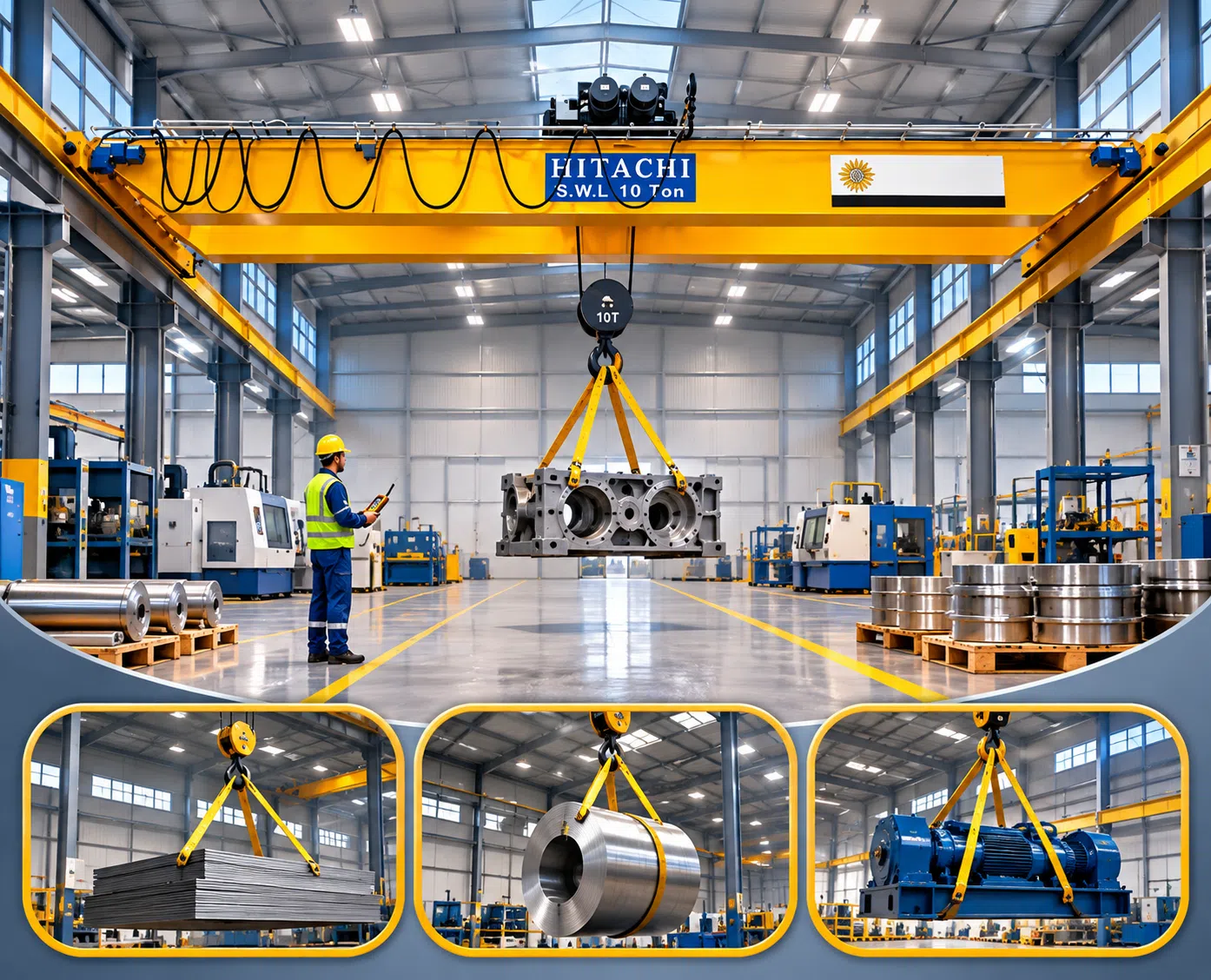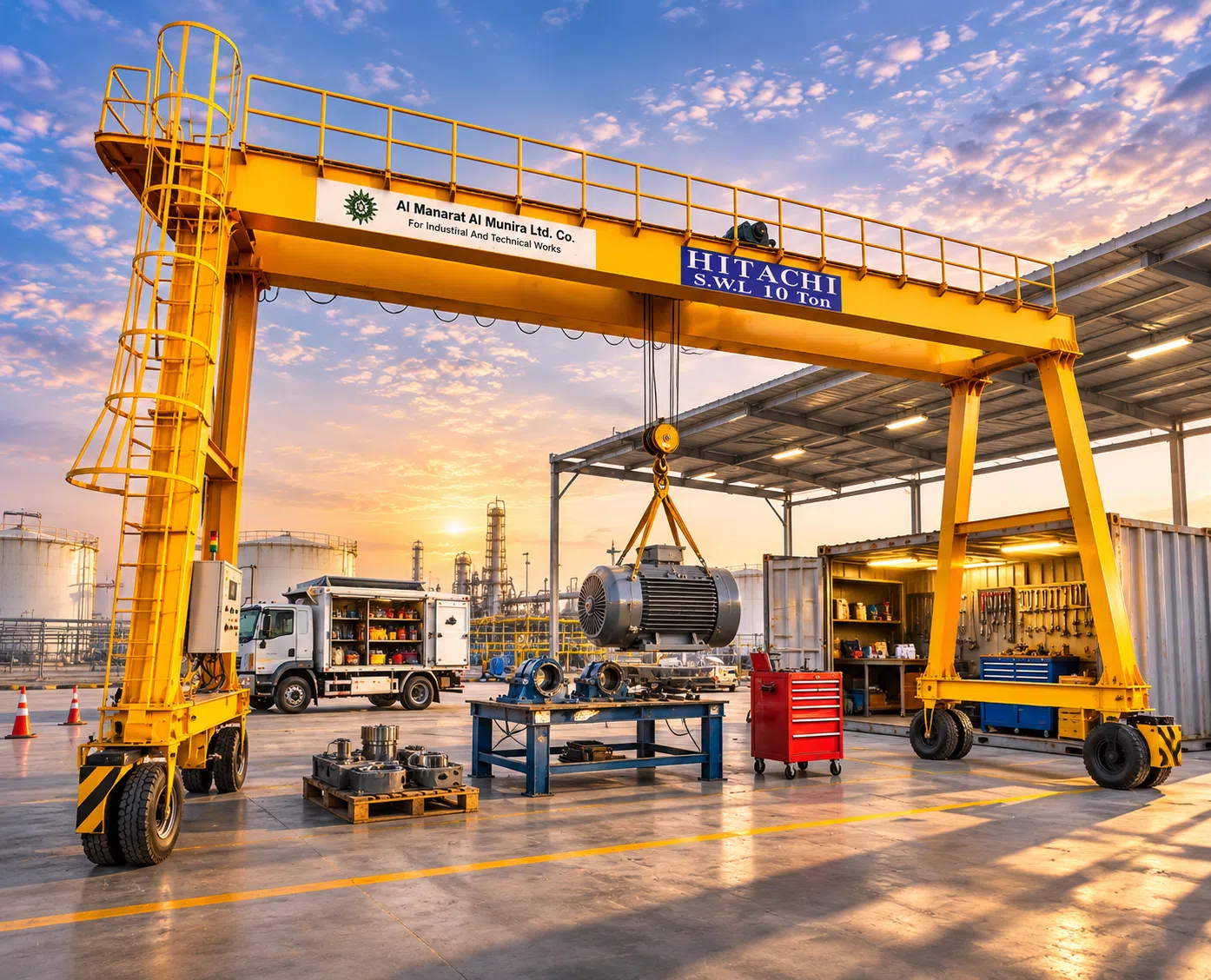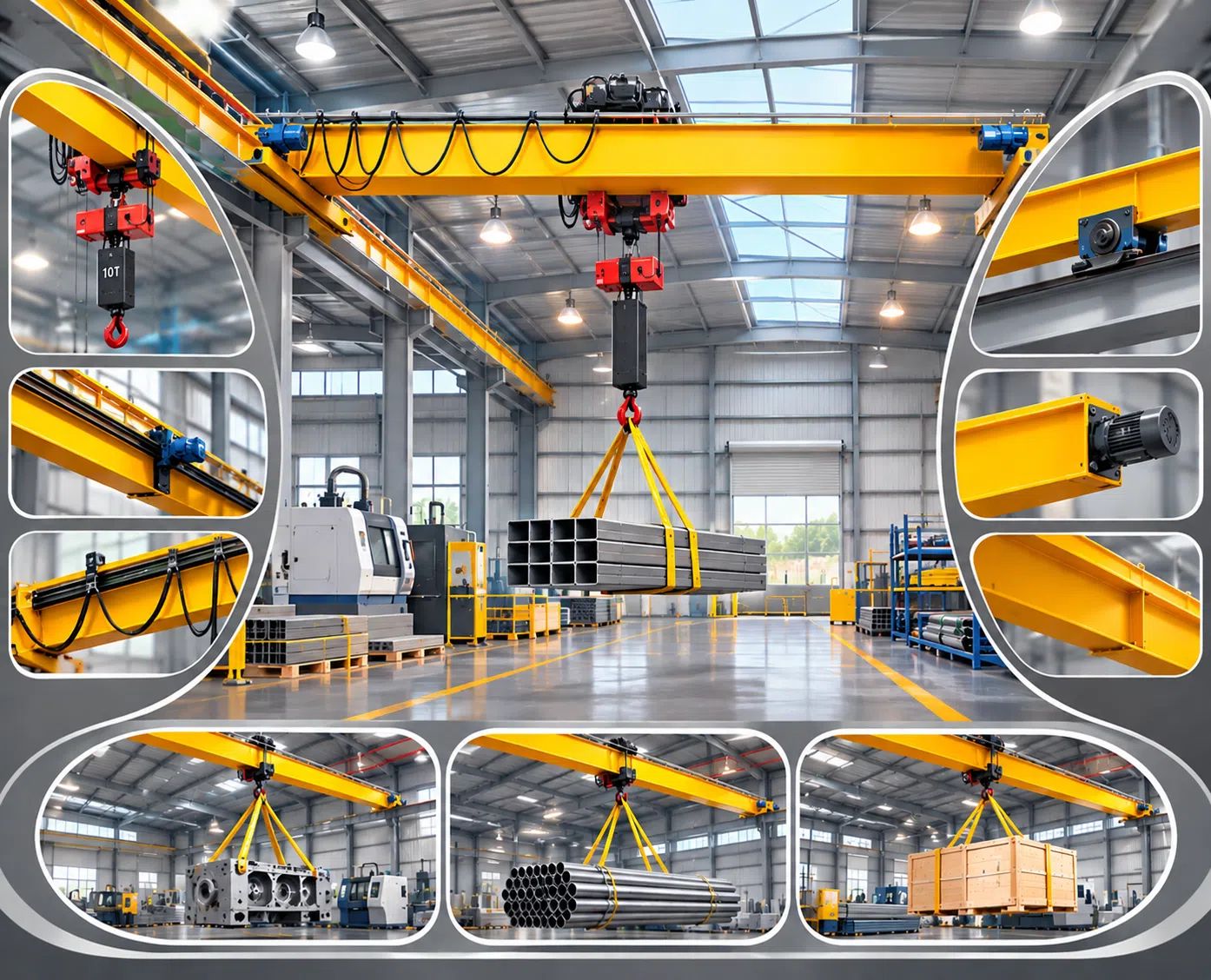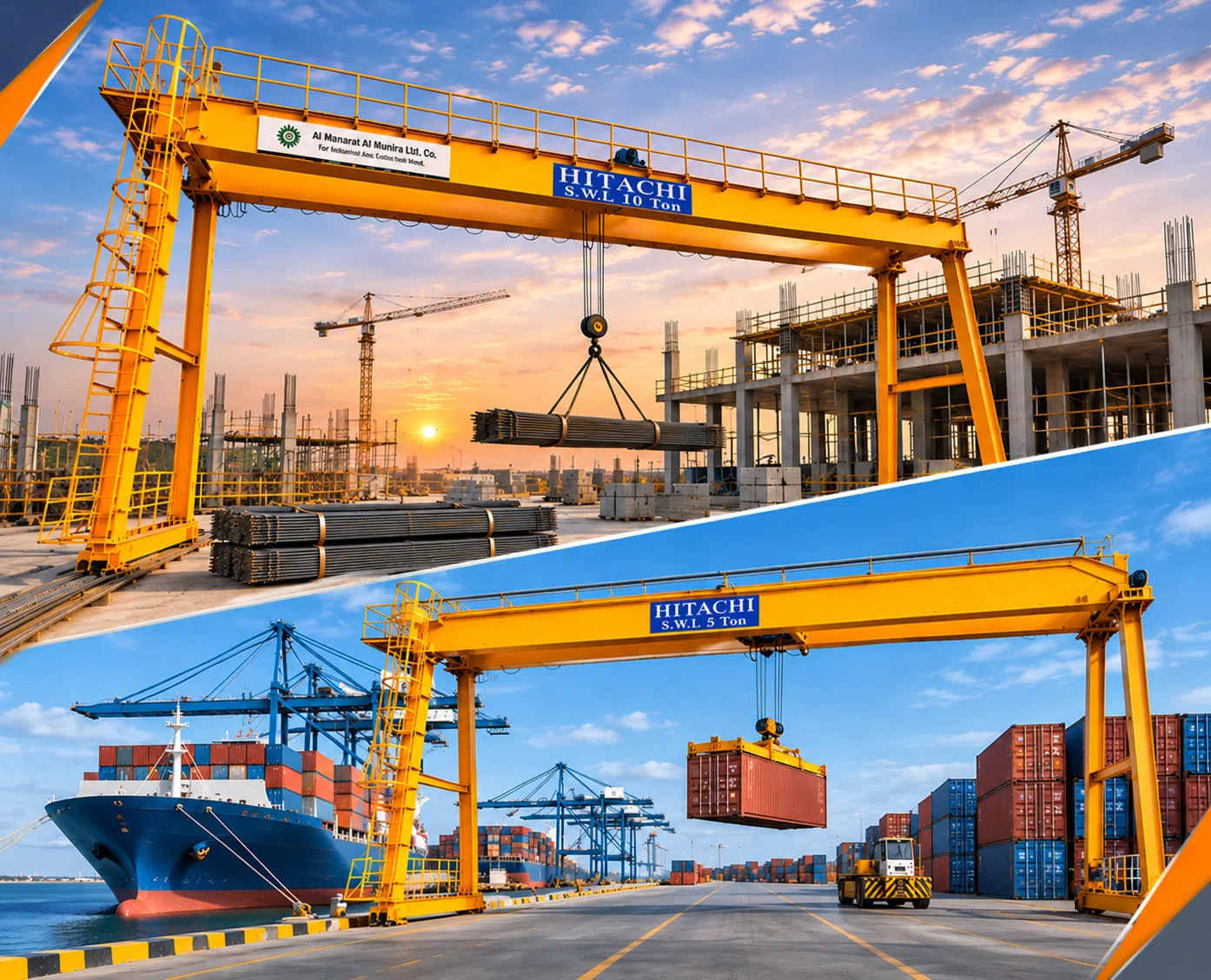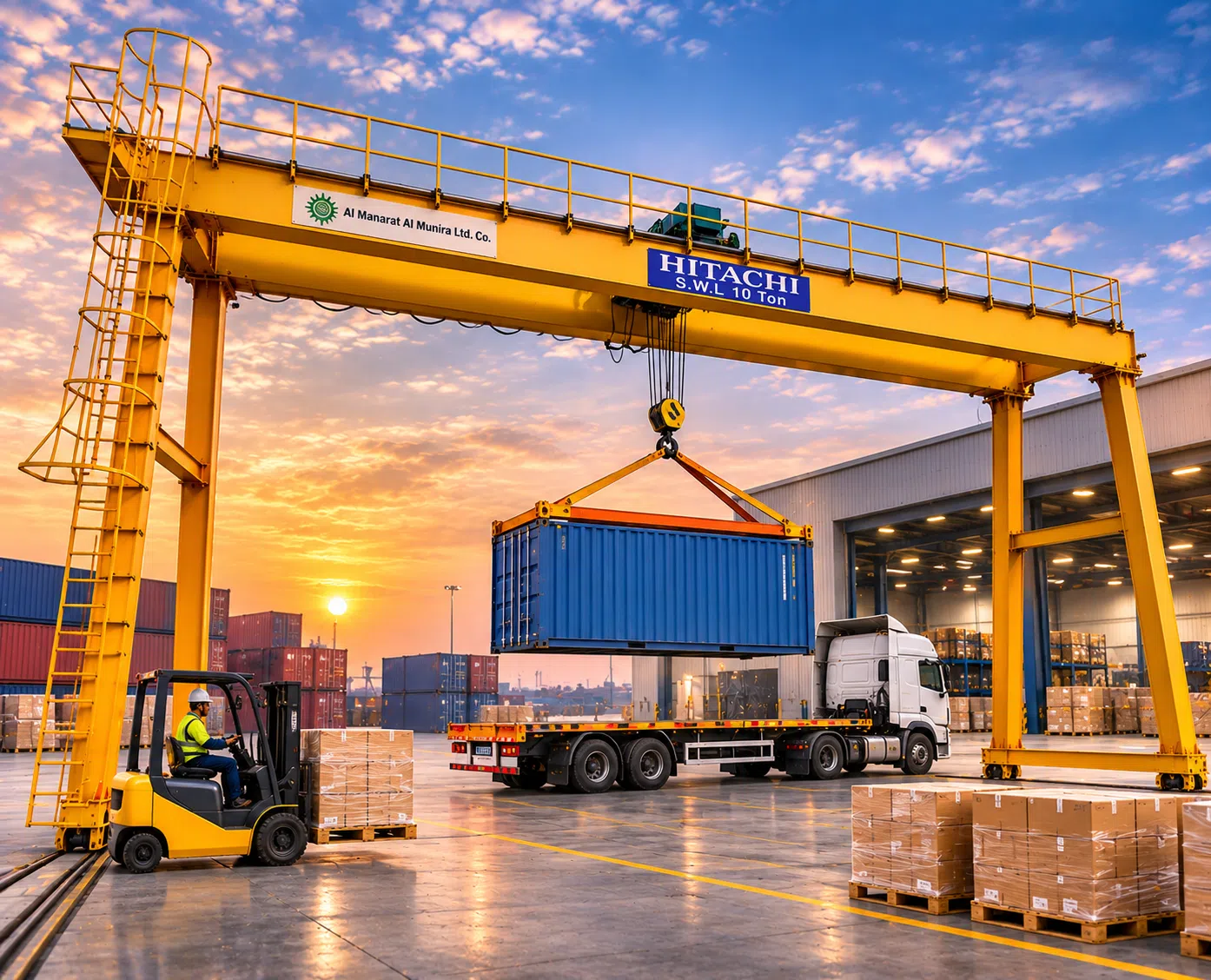

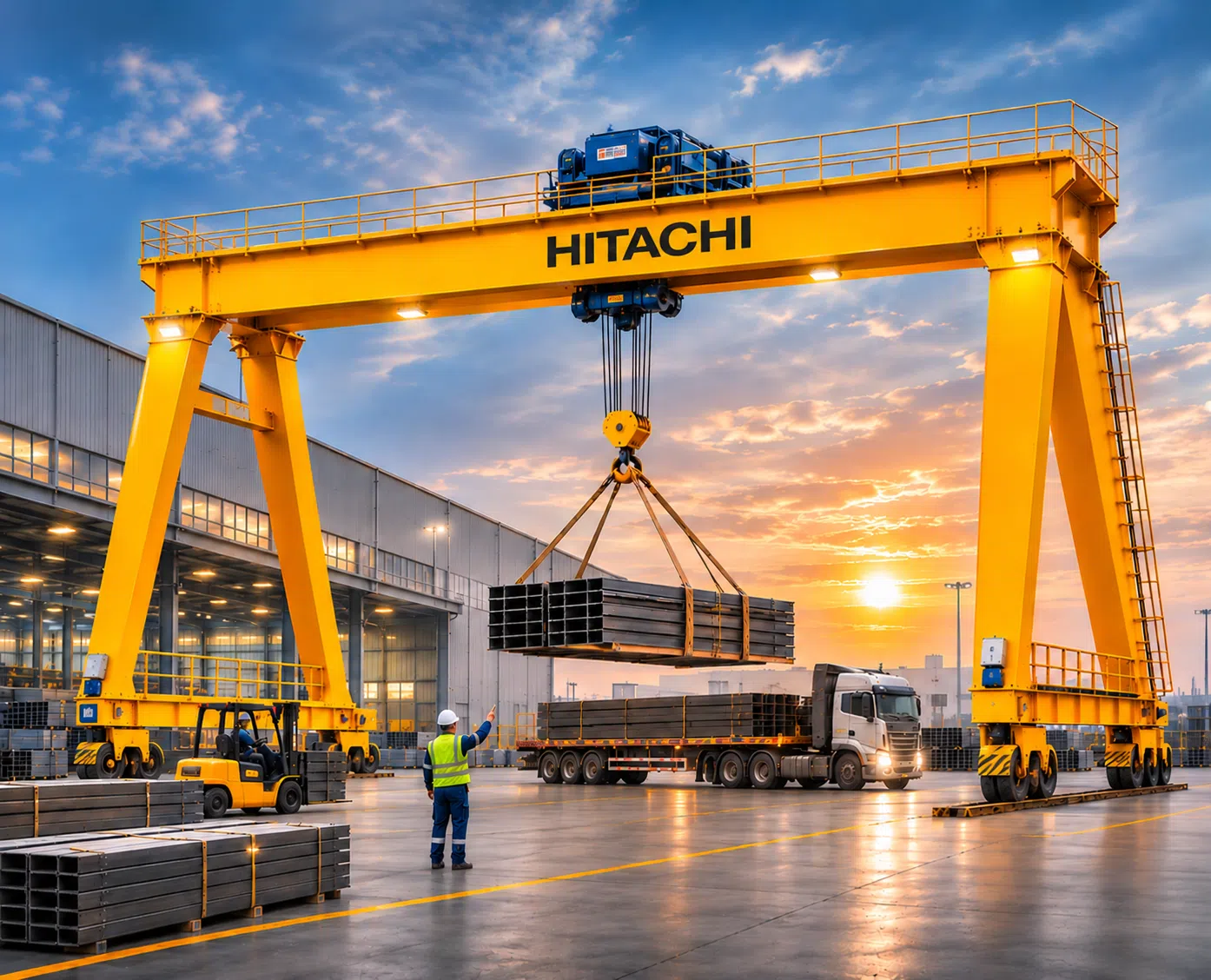
Modern Gantry Crane Technology and Its Impact on Unloading and Loading Speed
Logistics ports and major handling centers today are racing to win back minutes. A delay in unloading a truck, or keeping a cargo ship berthed for extra hours, costs huge sums that disrupt supply chains and squeeze the profit margins of industrial facilities. Relying on traditional lifting systems with direct manual control and simple mechanical drives can no longer keep up with the flow of hundreds of containers and structural blocks every day. This is where modern gantry cranes have leapt to the front of the engineering scene, by integrating precision sensors and smart control software that have turned lifting from a mere heavy mechanical movement into a self-coordinating system that multiplies handling rates and cuts logistics cycle times by record percentages.
How Does Modern Gantry Crane Technology Speed Up Loading and Unloading?
Advanced gantry crane technology relies on automatic anti-sway systems (Anti-Sway), laser self-guidance technologies, new-generation motors with smart variable frequency drives (VFD), and direct integration with yard management systems (TOS). This allows containers and raw materials to be lifted, moved and lowered along extremely precise paths with the shortest possible cycle time and without any mechanical rebound that disturbs load stability.
This technological shift affects operations as follows:
- Cutting the time of a single lift-and-lower cycle by 30% to 45% compared with older cranes.
- Eliminating the stoppage and waiting time caused by loads swinging in the air and the operator's manual attempts to steady them.
- Reducing energy consumption and operating emissions thanks to systems that recover kinetic energy and feed it back into the grid.
The Engineering Innovations That Reshaped Gantry Crane Performance
Structural strength alone is no longer the deciding criterion in crane manufacturing. Digital and mechanical integration has become the main driver of efficiency:
1. Electronic Anti-Sway Control
The pendulum motion that a suspended load undergoes when the crane starts or stops is the biggest obstacle to speeding up work. Operators used to have to wait precious seconds for the container to settle before placing it on the truck. Modern technology relies on mathematical algorithms built into the motor drives that adjust the acceleration of the trolley and bridge automatically within fractions of a second to absorb inertia, so the load moves in a straight line and comes to rest steadily as soon as it stops, without any swing.
2. Precision Positioning with Laser Alignment and Smart Cameras (Optical Positioning)
Modern gantry cranes use 3D LiDAR laser scanners and AI cameras mounted on the spreader (Spreader). This system scans the dimensions of the truck or storage container to millimeter accuracy and guides the hook to the twistlocks (Twistlocks) automatically, preventing wrong contact and speeding up unloading and pickup with a single button press.
3. Remote Operations & Automation
The operator's cabin has moved from a cab suspended at great height amid noise and vibration to comfortable, air-conditioned ground control rooms. A single engineer can manage and monitor more than one gantry crane at the same time through touch screens and smart simulation interfaces, which improves the work environment and removes the physical strain that used to slow operators down on long shifts.
4. Regenerative Braking Systems
Lowering heavy loads and braking the huge steel legs generate enormous mechanical energy. Modern technology converts this energy through servo motors (Servo Motors) into clean electric current that is fed straight back into the plant grid or into storage batteries, cutting the electricity bill by up to 25% and providing extra energy for consecutive lifting cycles.
Comparative Analysis: Traditional Gantry Cranes vs. Modern Smart Gantry Cranes
A technical comparison between the two generations reveals the key differences that justify the decision to upgrade and move to smart solutions:
- Time to complete a lifting and handling cycle: Traditional cranes take longer because they depend entirely on the operator's caution and manual skill in damping load swing, while smart cranes achieve the fastest unloading cycle thanks to digitally pre-calculated motion paths.
- Wear on mechanical parts and brakes: Older systems suffer accelerated wear of brake linings and gearboxes from sudden stops and harsh starts under load, whereas frequency-driven (VFD) motors ensure smooth operation that doubles the service life of the ropes and drive gears.
- Safety level and cargo protection: The possibility of containers hitting structures or trucks remains in ordinary cranes in the event of any human error, while modern systems provide an electronic safety fence (Geofencing) that prevents the crane hitting any obstacle in the yard and stops movement immediately when danger approaches.
- Operations and data management and tracking: Traditional cranes work in isolation from the facility's digital systems, while modern gantry cranes connect to industrial internet networks (IIoT), sending lifted-weight data, operating hours and component condition in real time to management screens for proactive operational decisions.
How Modern Technology Affects Workflow in Ports and Factories
These digital and mechanical capabilities translate into clear operational gains in the field:
Unloading Trucks and Container Ships in Record Times
In ports and dry terminals, shaving one minute off container unloading time makes a difference that lets port management receive additional ships every week. Advanced gantry crane technologies ease the entry and exit of transport trucks and reduce waiting queues at customs gates.
Placement Precision in Precast Concrete Plants
Bridge girders and huge concrete sections require extremely gentle lowering onto storage pads or transport trailers to prevent cracking and chipped edges. The micro-speeds (Micro-Speeds) provided by modern motors give extremely precise control that keeps the concrete blocks steady without the slightest impact.
Reducing Maintenance Costs Through Predictive Maintenance
Modern cranes integrate vibration and temperature sensors that measure the performance of gearboxes and motors while running. The system issues alerts weeks before a failure occurs, based on data analysis, which eliminates sudden stoppages at the peak of loading and unloading.
How Does Al Manarat Al Monerah Lead the Development of Gantry Crane Technology in Your Facility?
Al Manarat Al Monerah (almanratalmonerah.com) is committed to bringing the latest global technologies in industrial cranes to its customers in the region, offering integrated solutions that combine structural strength with operational intelligence:
- Custom designs with smart control systems: We manufacture and supply gantry cranes fitted with the latest speed inverters (Inverters) and electronic synchronization software for motion between the two legs, to prevent any lateral skew and ensure smooth, quiet movement.
- Integration of Anti-Sway Solutions: We equip lifting equipment with electronic systems that limit load swing and let operators speed up loading and unloading cycles with the highest degree of field safety.
- Comprehensive Retrofitting solutions for existing cranes: We upgrade old gantry cranes and turn them into smart systems by replacing aged motors and installing modern control panels and digital load sensors, along with encrypted wireless control systems, without the need to buy completely new equipment.
- Specialized engineering team for installation and calibration: We laser-align the floor rails and travel paths and test all digital sensors and protective devices, verifying their compliance with recognized global standards (FEM/ISO/CMAA).
- Proactive technical support and immediate spare parts availability: Local warehouses rich in electronic control units, electromagnetic brakes, hardened gears and cables ensure your facility's loading operations never stop under any circumstances.
Al Manarat Al Monerah gives you the chance to review and audit the efficiency of your current lifting cycles at your industrial site by contacting its engineers directly, to determine the most suitable technology, software and mechanical solutions to raise loading and unloading speed and maximize the return on your investment.
Frequently Asked Questions About Modern Gantry Crane Technology
Can an anti-sway system (Anti-Sway) be added to an old gantry crane?
Yes, absolutely. This is done by upgrading the main control panel and adding smart variable frequency drives (VFDs) compatible with special processing cards for swing damping and acceleration-sensing sensors, without any need to change the steel structure or the hoisting drum.
What is the difference between fully automated and semi-automated gantry cranes?
In semi-automated systems, the automatic system moves and transports the load horizontally and avoids obstacles in the yard, while the operator intervenes manually for the final pickup and precise lowering. In fully automated cranes (Fully Automated), the entire loading and unloading cycle is run by smart software linked to the warehouse databases, without any direct human intervention.
How does modern technology keep gantry cranes traveling straight over the rails?
Advanced cranes rely on electronic skew correction systems (Automatic Skew Correction). Laser sensors or rotary encoders (Encoders) monitor the wheel speed on both legs in real time, and as soon as one side is detected moving ahead of the other by just a few millimeters, the system adjusts the motor speed automatically so the bridge returns to its perfectly square alignment and rail edge wear is prevented.
Read also: Safety Standards in Manufacturing a Gantry Crane for Open Yards