
Investing in heavy lifting equipment is one of the major strategic decisions that determines the financial and operational direction of construction companies, factories, and logistics facilities. In a highly competitive market, decision-makers are often faced with a real dilemma between reducing capital costs by purchasing used equipment and ensuring maximum safety and operational efficiency by investing in brand-new machines. A mistake in evaluating the technical or engineering condition of the equipment can quickly turn a profitable deal into a financial nightmare, draining budgets through continuous maintenance and costly production downtime.
Whether you are browsing listings offering various crane solutions or searching for a reliable supplier providing competitive offers, there is a strict set of inspections and engineering standards that must be followed before signing any purchase contract. In this comprehensive advisory guide from Al Manarat Al Munira, we present a practical roadmap that ensures you make the smartest investment decision for your business.
How to Choose Between New and Used Lifting Cranes?
Each option has its own technical and economic advantages depending on the nature and scale of your project, and the choice mainly depends on cash flow and equipment utilization rate:
New cranes (technology power and warranty):
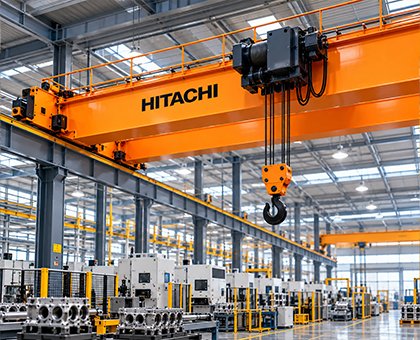
They provide complete peace of mind thanks to extended manufacturer warranties, near-zero failure rates in the early years of operation, and integration of the latest digital safety systems and Variable Frequency Drives (VFD). This makes them the ideal choice for long-term projects and continuous heavy-duty industrial operations.
Used cranes (immediate cost savings):
They offer 30% to 50% savings compared to the cost of new equipment and are considered an economical and smart solution for startups, temporary projects (less than two years), or workshops with light or intermittent crane usage.
If your budget allows for a used purchase, always ensure that the equipment has not exceeded more than half of its designed operational lifespan in order to secure sufficient productive working years before major maintenance cycles begin.
4 Critical Tips Before Signing Crane Purchase Deals
When reviewing market offers and suppliers selling lifting cranes, price alone should never be your deciding factor. Instead, follow these four mandatory inspection rules:
1. Maintenance and Logbook Verification
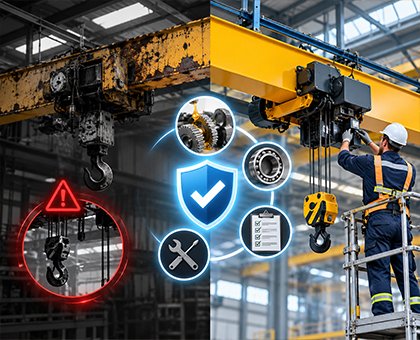
For used cranes, the maintenance logbook is the real identity document of the equipment. Look for cranes with a well-documented maintenance history showing regular replacement of consumable parts (such as steel wire ropes and gears), and ensure there are no previous structural accidents that may have affected weld integrity or the main bridge structure.
2. Official Load Testing (Load Test)
Never agree to purchase any crane—new or used—without performing a certified static and dynamic load test under an authorized engineering consultant. The test includes lifting loads between 10% and 25% above rated capacity to verify brake performance, mechanical stability, and the absence of dangerous structural deformation.
Detailed Technical Inspection: Where Hidden Defects Are Found
Al Manarat Al Munira emphasizes that some defects may be hidden beneath fresh paint or a visually clean exterior. Therefore, specialized inspection tools must be used to evaluate the following critical components:
Non-Destructive Testing (NDT) of structure:
Such as ultrasonic testing or magnetic particle inspection to detect micro-cracks and fractures in welds of bridges and legs that are not visible to the naked eye.
Evaluation of motors and electrical control panels:
Ensuring there is no winding degradation in motors, verifying contactor condition, and checking the accuracy of load sensors and electromagnetic braking systems.
Wire ropes and chains inspection:
A full-length inspection of steel cables to ensure there are no broken strands or corrosion caused by improper storage or humidity exposure.
Frequently Asked Questions by Investors and Procurement Managers
How do I ensure spare parts availability after purchasing cranes from suppliers?
The golden rule is to choose equipment manufactured by leading global brands (such as Hitachi, Demag, etc.) that have authorized local distributors in your country. This ensures availability of original spare parts and fast technical support without long import delays.
What is Total Cost of Ownership (TCO) beyond purchase price?
The purchase price is only part of the total cost. You must also account for transportation, installation, testing, daily electricity consumption, and annual preventive maintenance budgets in order to evaluate the true economic feasibility of the investment.
Conclusion
Ultimately, investing in the heavy equipment market requires both commercial intelligence and strict engineering expertise. Rushing into crane purchase deals simply because of a low initial price may cost you many times more in the future due to production downtime or safety risks.
At Al Manarat Al Munira, we always recommend involving mechanical and electrical consulting experts during inspection and evaluation before making a final purchase decision. Working with trusted suppliers who provide crane sales supported by certified technical reports and approved testing certificates is the only guarantee for protecting your capital and building a sustainable lifting system that supports your long-term industrial ambitions with stability and absolute safety.
5-Ton Hoist and a 10-Ton Overhead Crane