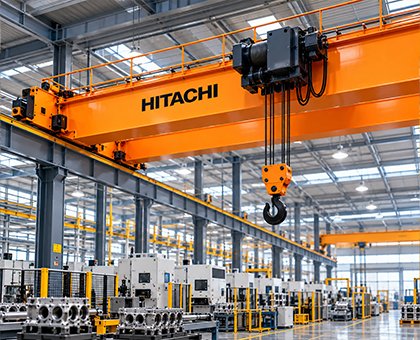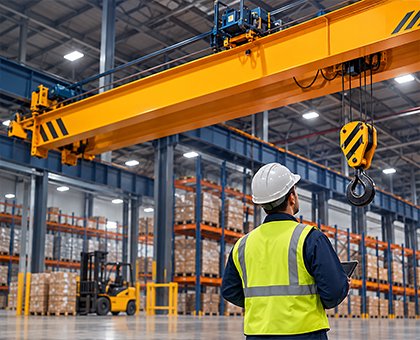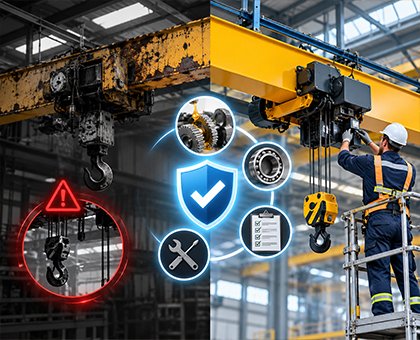

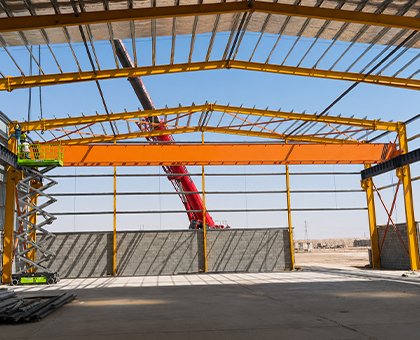
Construction and building sectors are witnessing an unprecedented architectural and engineering boom, as contracting companies race to complete skyscrapers and residential complexes in record time and at the highest quality standards. At the heart of this dynamic movement lies the process of transporting cement, steel, bricks, and concrete to great heights, which is one of the most critical logistical tasks that determines the overall speed of project execution. Relying on traditional or non-specialized transportation methods not only slows down workflow but also directly threatens the safety of construction site workers.
From here, the well-planned selection of material lifting cranes represents the fundamental pillar for ensuring smooth and fast material flow from the ground to upper floors. In this comprehensive guide from Al Manarat Al Muneera Company, we will review the key criteria and technical steps that should be followed to ensure choosing the most suitable equipment for your upcoming project.
What Are the Most Efficient Types of Lifting Cranes in Construction Sites?
Machines used for lifting materials vary depending on the architectural design of the building, required height, and available site space. They are mainly divided into three categories:
Tower Cranes:
The construction giant that is essential for skyscrapers, fixed at the center of the site, providing vertical lifting capacity and a horizontal working radius that covers the entire project area.
Gantry & Scaffold Hoists:
Compact and lightweight hoists installed on metal structures or rooftops, ideal for medium-sized projects and fast exterior finishing works.
Mobile Cranes:
Feature a hydraulic arm that extends over long distances with flexible movement on the ground, making them ideal for concrete pouring and heavy equipment handling during early construction phases.
Determining soil type and site terrain is the first step before considering crane load capacity, as ground stability is the foundation of mechanical safety.
Critical Criteria for Selecting Suitable Material Lifting Cranes
Comparing and selecting equipment in the market should not be based on price alone, but on precise engineering calculations, including the following points:
1. Maximum Load Capacity and Safety Margin
One of the critical mistakes made by some companies is calculating only the actual material weight (such as bricks or cement pallets) without leaving a safety margin. Material lifting cranes should always be selected with a rated capacity exceeding the maximum expected load by at least 20% to protect the motor from thermal stress.
2. Height and Horizontal Reach
It is not enough to know only the vertical building height; the horizontal distance the crane arm must cover should also be calculated to deliver materials inside the building, while considering mechanical physics laws that reduce lifting capacity as the load moves further from the crane center.
Safety and Occupational Protection Protocols in Construction Cranes
According to OSHA safety standards, the construction sector requires strict monitoring of lifting equipment due to exposure to open-site conditions and environmental factors. Al Manarat Al Muneera highlights the essential safety systems that must be included in your cranes:
Anemometers:
Instantly warn the operator and stop operation if wind speed exceeds safe limits, preventing dangerous swinging of suspended loads.
Limit Switches:
Prevent steel wire ropes from exceeding safe travel limits, avoiding hook collision with the upper pulley and preventing equipment damage.
Surround Vision Systems and Cameras:
Allow the operator in the cabin to clearly see blind spots on the ground and upper floors without relying fully on manual signals.
Frequently Asked Questions by Engineers and Contractors
Is it better to buy or rent material lifting cranes for a new project?
Renting is the smarter option for temporary or short-term projects, saving costs related to storage, maintenance, and transportation between sites. However, for continuous long-term projects, purchasing becomes a valuable investment that increases your company’s asset value.
What is the recommended inspection cycle for construction cranes on-site?
Construction cranes follow a three-level inspection protocol: daily visual inspection before work starts (to ensure cable and brake safety), monthly detailed inspection by on-site maintenance engineers, and a full load test every 6 to 12 months to issue an official operating certificate.
Conclusion
Ultimately, investing in selecting advanced and internationally compliant material lifting cranes is not just about speeding up construction—it is a structural pillar that protects your capital assets and ensures worker safety in the most challenging environments. Smart selection based on precise engineering study of your project helps avoid wasted costs and unexpected downtime. At Al Manarat Al Muneera Company, we always recommend consulting mechanical and structural engineering experts before making procurement decisions to ensure customized lifting crane solutions that support your expansion goals and operate with maximum efficiency and safety for many years to come.