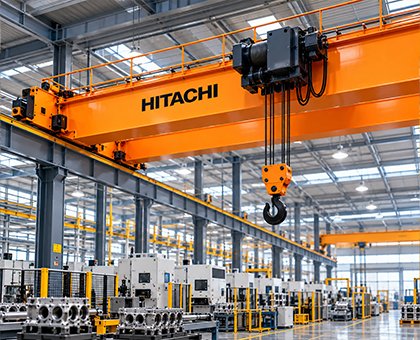

Electric hoists and cranes are considered the main driving backbone of modern factories and logistics warehouses, where the efficiency of the entire facility depends on the safety and speed of heavy load handling. Since these capital-intensive machines operate under continuous mechanical and electrical stress in harsh working environments, neglecting their inspection or maintenance is a major risk. It does not only cause sudden breakdowns that can halt production lines, but also poses a direct threat to worker safety on site.
To avoid such risks and achieve near-zero accident rates, major industrial facilities follow strict technical protocols. In this advisory guide from Al Manarat Al Munira, we outline the globally recognized standard procedures for electric hoist maintenance, as well as the mandatory engineering steps for crane inspection and testing to ensure maximum safety and operational efficiency.
First: Levels of Periodic Crane Inspection and Testing
Engineering inspection protocols for cranes are divided into three complementary time-based levels to ensure continuous monitoring and early fault detection:
Daily visual inspection (Frequent Inspection):
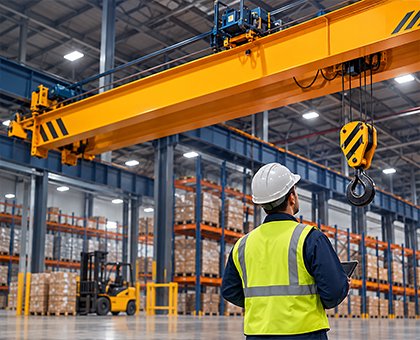
Performed by the crane operator before the start of each shift. It includes a visual check of wire rope condition, detection of broken strands, testing the emergency stop button, and verifying the safety latch of the lifting hook.
Periodic comprehensive inspection (Periodic Inspection):
Conducted quarterly or semi-annually by specialized maintenance engineers. It includes inspection of gear wear levels, measurement of brake pad thickness, and examination of electrical connections inside control panels to prevent loosening caused by vibration.
Annual load testing (Load Testing):
The most critical mandatory inspection, performed every 12 months at maximum, in order to issue an official operational certification for the crane.
Second: Standard Load Testing Protocol (Load Test)
Al Manarat Al Munira emphasizes that load testing is mandatory after new installation or after major maintenance affecting structural components. It consists of two stages:
1. Static test (125% capacity)
A load exceeding the rated capacity by 25% is lifted slightly above ground level and held for a specified period in accordance with international codes (such as ASME B30.16). This ensures the structural integrity of steel bridges and weld joints, and confirms that no dangerous deformation occurs.
2. Dynamic test (110% capacity)
A load equal to 110% of the rated capacity is moved in all operational directions (lifting, lowering, horizontal and longitudinal movement). This verifies the performance of electromagnetic brakes, Variable Frequency Drives (VFD), and limit switches.
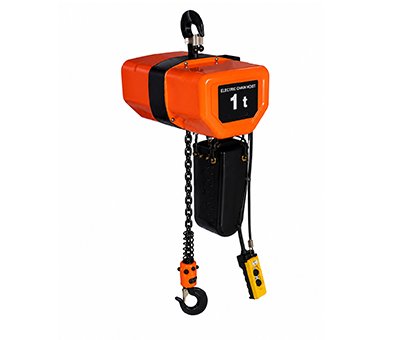
Third: Optimal Strategy for Electric Hoist Maintenance
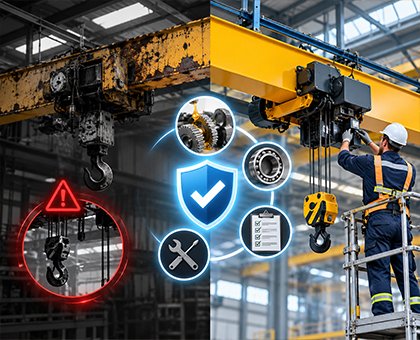
Sustainable asset management is achieved by shifting from reactive maintenance to predictive preventive maintenance (PPM). This strategy includes three key pillars:
Smart lubrication and greasing:
Maintaining scheduled lubrication of wire ropes and chains using specialized lubricants to reduce dry friction, minimize wear, and improve energy efficiency.
Brake system calibration:
Adjusting electromagnetic brakes to ensure instant and complete load holding once the operator releases the control button, preventing dangerous load slipping.
Environmental protection of equipment:
Ensuring control panel sealing systems meet at least IP55 standards to protect sensitive electrical components from dust and moisture that may cause sudden short circuits.
Frequently Asked Questions by Safety and Maintenance Engineers
What should be done if micro-cracks are detected in the lifting hook?
When using non-destructive testing methods such as Magnetic Particle Inspection (MPI), if micro-cracks are detected or wear exceeds 10% of the hook’s original dimensions, welding is strictly prohibited. The hook must be immediately discarded and replaced with a certified original spare part to ensure safety.
How do Variable Frequency Drives (VFD) reduce maintenance costs for electric hoists?
VFD systems ensure extremely smooth acceleration and deceleration (soft start / soft stop), eliminating dangerous load swinging, protecting mechanical gears and shafts from sudden shocks, and reducing emergency maintenance needs while saving up to 20% in electricity consumption.
Conclusion
Ultimately, real-world industrial operations confirm that strict adherence to standardized electric hoist maintenance procedures and regular crane inspection and testing protocols is not just a regulatory requirement, but a strategic foundation for protecting capital assets, eliminating unplanned downtime, and ensuring workforce safety. Investing in quality and compliance with approved safety standards (SASO) protects your facility from costly emergency expenses.
At Al Manarat Al Munira, we provide full engineering and field expertise to support you in designing preventive maintenance schedules, conducting certified load testing, and supplying genuine spare parts—ensuring your production systems continue operating with stability, efficiency, and absolute safety.