
Installing industrial cranes is one of the most critical stages determining the overall efficiency and safety of lifting systems across manufacturing plants, warehouses, and industrial facilities. Even when using high-end machinery, improper installation can lead to reduced operational performance, frequent breakdowns, or severe workplace safety hazards.
Consequently, project success relies on partnering with experienced crane installation companies backed by engineering teams capable of executing installation tasks according to the highest quality and safety benchmarks. Al Manarat Al Munira delivers comprehensive installation services for various types of industrial cranes and overhead lifting systems across the Kingdom of Saudi Arabia, adhering to technical specifications and project requirements.
Importance of Professional Industrial Crane Installation
Correct installation ensures long-term operational safety and maximizes equipment efficiency throughout its service life, while minimizing future technical failures and maintenance expenses.
Key benefits of professional installation include:
- Ensuring operational safety.
- Optimizing lifting system performance.
- Extending equipment service life.
- Reducing unexpected downtime and breakdowns.
- Boosting overall production efficiency.
- Maintaining compliance with industrial safety codes.
Steps for Installing Industrial Cranes
The crane installation process follows several fundamental stages to guarantee accurate execution:
1. Site Survey
Operations begin with a site survey to analyze layout dimensions, study operational dynamics, and map out anchor points for supporting structures and runway tracks.
2. Engineering Drawing Review
Engineering designs are verified against site dimensions and target lifting capacities to review every technical detail prior to execution.
3. Infrastructure Preparation
This phase involves preparing concrete foundations, steel support columns, and runway rails to ensure full alignment with engineering specifications.
4. Main Structure Assembly
Bridge girders, end trucks, and structural columns are positioned and assembled using specialized rigging equipment, ensuring precise fastening.
5. Hoisting & Motion Unit Installation
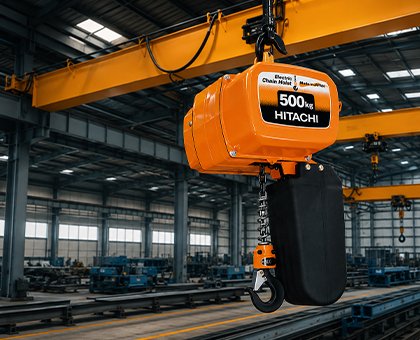
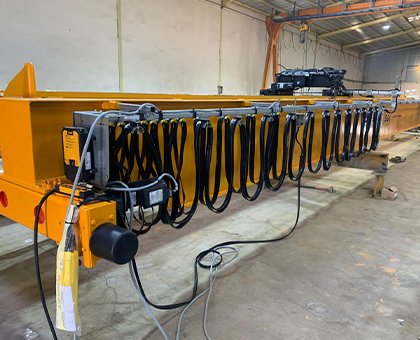
This step covers mounting electric drive motors, hoist units, traveling trolleys, and electrical control interfaces.
6. Testing & Commissioning
Following assembly, thorough operational and load tests are performed to verify component integrity and system efficiency prior to project sign-off.
Safety Standards During Crane Installation
Safety compliance is paramount during all phases of crane erection.
Essential standards include:
- Utilizing appropriate rigging equipment during installation.
- Strict adherence to approved engineering schematics.
- Inspecting all mechanical and electrical components prior to assembly.
- Using certified heavy-duty anchoring hardware.
- Securing the work zone and restricting unauthorized personnel access.
- Enforcing the use of personal protective equipment (PPE).
- Testing safety limit switches and emergency systems prior to handover.
Importance of Choosing Specialized Crane Installation Companies
Partnering with qualified crane installation companies guarantees that projects are executed to technical standards while reducing error risks that could compromise equipment performance.
Specialized companies offer:
- Qualified engineering and technical teams.
- Expertise across diverse industrial crane models.
- Full commitment to technical specifications.
- Rigorous post-installation testing and commissioning.
- Integrated maintenance and ongoing technical support.
- Strict adherence to project delivery schedules.
Role of Overhead Crane Installation Contractors
An overhead crane installation contractor oversees all project phases, from initial site survey through to final commissioning.
Core responsibilities include:
- Formulating the execution plan.
- Coordinating between specialized technical crews.
- Monitoring assembly precision on-site.
- Ensuring strict adherence to safety protocols.
- Supervising operational load testing.
- Handing over the project once system readiness is verified.
Selecting an experienced contractor minimizes site risks and guarantees efficient project execution.
Common Installation Errors to Avoid
Certain installation oversights can cause operational issues or early breakdowns. Common errors include:
- Inadequate initial site surveying.
- Utilizing non-compliant or sub-standard hardware.
- Executing assembly without reviewing engineering drawings.
- Bypassing initial load testing and commissioning.
- Neglecting safety systems and protective limiters.
- Failing to train site operators following installation completion.
Post-Installation Maintenance
Project care continues after initial commissioning. A routine preventive maintenance schedule must be established to preserve long-term system efficiency.
Routine maintenance tasks cover:
- Inspecting runway tracks and alignment.
- Evaluating hoist and motor performance.
- Testing electrical control units and pendants.
- Lubricating moving mechanical components.
- Inspecting wire ropes, chains, and hooks for wear.
- Verifying the operational readiness of safety limit switches.
Why Choose Al Manarat Al Munira?
Al Manarat Al Munira holds extensive field experience in executing industrial crane installation projects across the Kingdom of Saudi Arabia, offering integrated solutions for diverse industrial sectors.
Core services include:
- Turnkey installation of all industrial crane types.
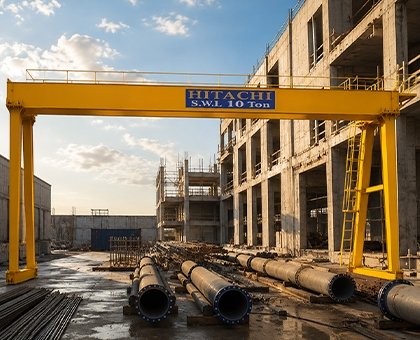
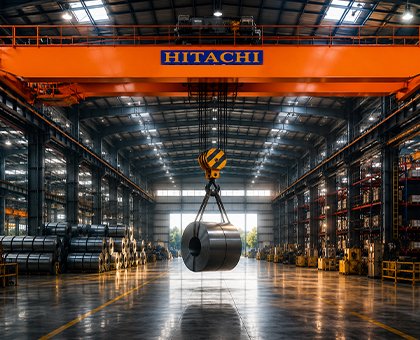
- Erection of overhead cranes, gantry cranes, and jib systems.
- Implementing factory crane installation projects.
- System testing, load trials, and commissioning.
- Preventive and scheduled maintenance contracts.
- Upgrading and retrofitting existing lifting systems.
- Expert technical support and engineering consultations.
The company strictly applies quality and safety standards to ensure peak performance for all installed equipment.
Essential Tips Before Installing Industrial Cranes
To ensure project success:
- Select a specialized lifting systems contractor.
- Review engineering drawings and site plans prior to execution.
- Verify that the installation site and foundations are fully prepared.
- Enforce workplace safety protocols throughout the project timeline.
- Perform thorough load testing before initiating actual production work.
- Establish a routine post-installation maintenance plan.
- Train workforce operators on correct operating procedures.
Frequently Asked Questions (FAQ)
Why is professional crane installation essential?
Professional installation ensures operational safety, minimizes breakdown risks, extends machinery lifespan, and maximizes overall production output.
How do I choose the best crane installation company?
Look for a company with proven field experience in industrial lifting, specialized engineering staff, comprehensive load-testing protocols, and after-sales support.
What is the role of an overhead crane contractor?
The contractor manages the entire execution lifecycle—from site assessment and assembly to safety enforcement and final operational testing.
Must cranes be tested following installation?
Yes, load and operational testing are mandatory steps to confirm system safety and compliance before putting the crane into active service.
Why is Al Manarat Al Munira the ideal choice?
Because Al Manarat Al Munira delivers end-to-end installation services for all industrial crane types in Saudi Arabia, supported by a specialized engineering team, strict safety compliance, and comprehensive technical support.
Conclusion
Professional crane installation forms the foundation of a successful industrial lifting system, directly impacting operational efficiency, worker safety, and equipment longevity. Choosing experienced installation companies and working with a specialized overhead crane contractor guarantees that projects comply with engineering and safety standards. Leveraging its industry track record in the Saudi market, Al Manarat Al Munira provides complete installation, testing, and maintenance solutions to ensure maximum reliability and safety across industrial and construction operations.
Industrial Crane Maintenance: When Do You Need It and How to Reduce Failures?