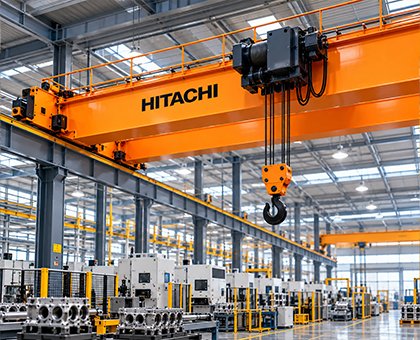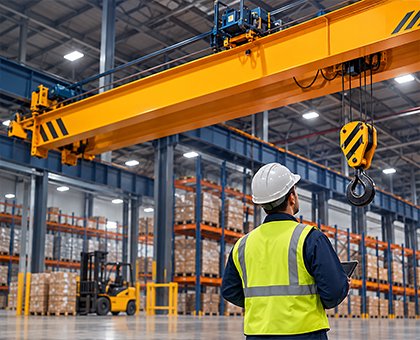

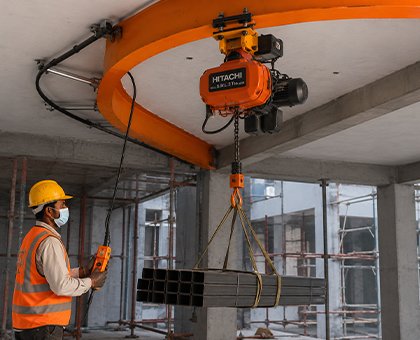
Upgrading an industrial facility with heavy lifting systems and overhead cranes is a major strategic step to enhance productivity and accelerate logistics operations. However, purchasing high-quality equipment from global brands represents only half of the technical success equation. The other, more critical half lies in the mechanical installation and on-site engineering work.
Handling massive steel structures that operate above production floors requires extreme precision. Even minor installation errors can later lead to serious operational failures, structural damage, or costly breakdowns. Therefore, selecting the right contractor for crane installation is the real safeguard for your capital investment.
In this advisory guide from Al Manarat Al Munira Company, we outline the key technical and professional criteria for selecting a trustworthy contractor and how to evaluate different crane installation companies in the market to ensure maximum safety and efficiency.
1. Technical Competence and Ability to Engineer Layouts and Runways
Installing overhead or gantry cranes is not a simple lifting operation—it is a complex engineering process that requires precise site evaluation, including:
- Rail alignment accuracy (Track Alignment):
- The company must have precision leveling and alignment tools to install crane rails with millimeter accuracy. Even slight deviations cause continuous friction, leading to wheel wear and motor stress.
- Structural load assessment:
- Engineers must evaluate whether existing building columns and steel beams can support both the crane’s dead weight and its dynamic load during operation.
2. Turnkey Execution Capability
One of the most common operational risks is dealing with contractors who abandon responsibility midway through the project. Always choose companies that provide a complete turnkey solution, including:
- Transporting and handling large steel bridge components to the site
- Mobilizing external hydraulic cranes for lifting and assembly
- Completing full electrical integration and installing Variable Frequency Drives (VFD)
Also ensure the contractor holds valid certifications and approvals from regulatory bodies and standards authorities (such as SASO), as this reflects compliance with international safety and occupational standards.
3. Strict Compliance with Load Testing Protocols (Load Test)
No contractor should be considered reliable unless they conduct mandatory on-site load testing before final handover. This includes two essential stages:
Static Load Test (125%)
The crane is loaded with 125% of its rated capacity while stationary to verify structural integrity, weld strength, and beam deflection stability.
Dynamic Load Test (110%)
The crane is operated with 110% of its rated capacity across all movements (lifting, traversing, and longitudinal travel) to verify brake performance, overload limiters, and limit switches. This step is essential for issuing the official operational certification.
Frequently Asked Questions
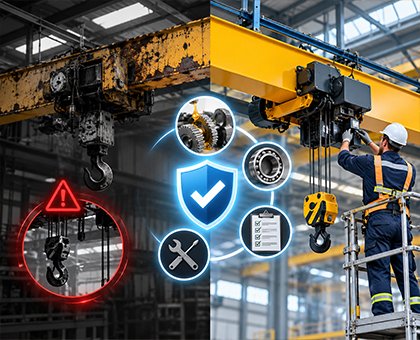
Why are Preventive Maintenance Contracts (PPM) important with the installation company?
Partnering with the same contractor for periodic maintenance ensures regular inspection of gear wear, lubrication systems, and mechanical components. This helps detect early failures and replace parts before breakdowns occur, ensuring near-zero unexpected production downtime.
How do professional crane installation companies handle harsh weather conditions?
Certified companies apply high-standard IP protection ratings (IP55 indoors and IP65–IP66 outdoors) for electrical panels and motors to protect against dust and moisture. For outdoor cranes, wind monitoring sensors (anemometers) are also installed to prevent accidents during strong wind conditions.
Conclusion
Ultimately, engineering analysis confirms that selecting a certified construction and installation contractor for your crane systems is not an optional step—it is the foundation of asset protection and workplace safety. Choosing between crane installation companies should be based on experience, engineering capability, and strict adherence to testing and safety protocols.
At Al Manarat Al Munira Company, we provide full technical and advisory support to help you evaluate sites, define requirements accurately, and deliver complete installation and maintenance solutions for advanced industrial lifting systems—ensuring your operations run with maximum efficiency, reliability, and long-term safety.